How does the $40 billion SpaceX GPU financing deal function?
The agreement is structured as a large-scale equipment lease rather than a traditional direct debt issuance. Under the terms disclosed in a recent regulatory filing, an entity managed by the New York-based private equity firm Apollo Global Management will acquire the necessary GPU hardware and related data center equipment. Once the hardware is purchased, Apollo will lease the technology back to SpaceX.
The lease terms are set to span approximately five to five-and-a-quarter years. These lease periods will commence upon the delivery of each specific tranche of equipment. SpaceX anticipates that the transaction will close by the end of 2026, with the actual leasing operations beginning in the first half of 2027 as the hardware arrives at their facilities.
This model allows SpaceX to secure the massive amounts of compute power required for its growth without relying exclusively on traditional debt markets. By utilizing a lease structure, the company can manage its capital expenditure more flexibly while ensuring a steady pipeline of cutting-edge hardware.
Lease structure and timing
The phased delivery of equipment means that the financial impact will be distributed over several years rather than hitting the balance sheet as a single lump sum. This staggered approach aligns the costs with the actual deployment and utilization of the AI infrastructure.
Why is SpaceX investing so heavily in AI infrastructure?
SpaceX is aggressively scaling its compute footprint to support a diverse array of AI-driven services, including the Grok chatbot, the Cursor coding tool, and its expanding cloud compute business. The company's leadership views these investments as highly efficient, with CFO Bret Johnsen noting that the company is seeing payback periods of less than one year on its AI infrastructure investments.
The financing is specifically earmarked to help deliver Nvidia’s next-generation Vera Rubin chips. These chips are central to SpaceX's "terrestrial compute buildout," which aims to position the company as a major player in the global AI compute market. This expansion is happening alongside the company's existing core business segments, namely Starlink and its launch services.
The scale of this investment is reflected in the company's surging capital expenditures. SpaceX's spending on infrastructure rose to nearly $20 billion, a significant jump from the $6.9 billion reported the previous year. Furthermore, during an October 20 earnings call, Johnsen indicated that the company expects to spend between $35 billion and $40 billion in the fourth quarter of 2026 alone.
What is the impact of AI on SpaceX's total revenue?
The AI segment has become a dominant driver of SpaceX's financial performance, outperforming the company's traditional aerospace and satellite divisions in recent quarters. In the third quarter, SpaceX’s AI business—comprising Grok, Cursor, and cloud services—generated $7.6 billion in revenue. This figure represents a substantial portion of the company's total $14.6 billion revenue for the period.
To put this in perspective, the revenue from the AI division exceeded the combined earnings from both the Starlink satellite internet service and the company's rocket launch business. This shift marks a fundamental transformation in SpaceX's business model, moving from a primarily space-focused entity to a diversified technology powerhouse with a massive footprint in artificial intelligence.
| Revenue Segment | Q3 Revenue (USD) |
|---|---|
| AI Business (Grok, Cursor, Cloud) | $7.6 Billion |
| Total SpaceX Revenue | $14.6 Billion |
| Combined Starlink & Launch Revenue | $7.0 Billion |
This revenue breakdown highlights the critical importance of the $40 billion GPU financing deal. The ability to maintain this growth trajectory depends heavily on the company's capacity to acquire and deploy the hardware necessary to serve its expanding client base.
How does Elon Musk view the competitive landscape for AI compute?
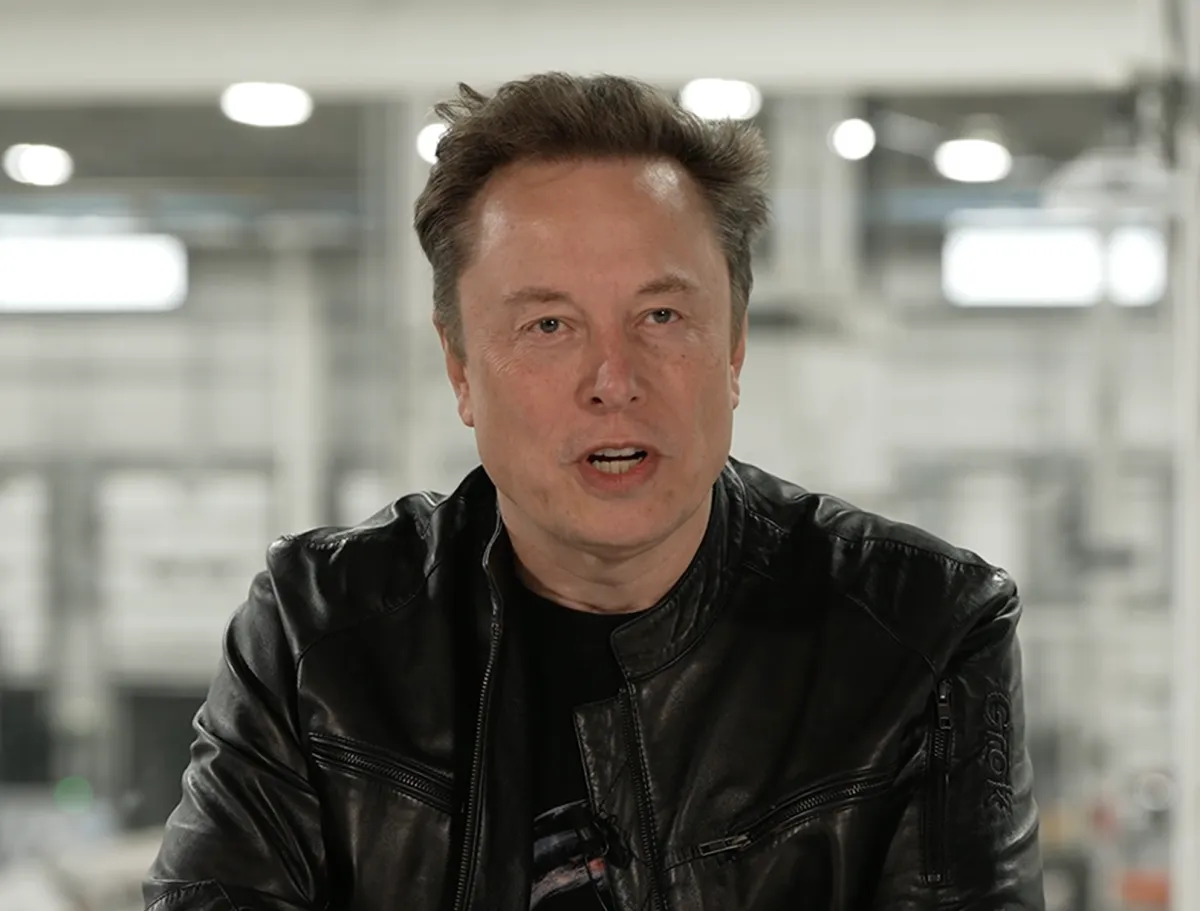
Elon Musk has used the announcement of the Apollo deal to criticize "pure-play" AI compute rivals, specifically targeting the growing number of neocloud companies. These companies are built primarily to rent out GPUs for AI workloads but often lack the diversified revenue streams that SpaceX possesses.
Musk argued that SpaceX's "investment-grade" status and the steady cash flow generated by Starlink and rocket launches provide a level of financial stability that neoclouds cannot match. He suggested that as debt markets become more selective, companies that rely solely on AI data center revenue will face significant challenges.
On the social media platform X, Musk predicted a period of intense volatility for the sector, stating that more than 200 neocloud companies could face "guppy-level death and consolidation." While he acknowledged that some might survive, his commentary suggests a belief that the current market environment favors large, diversified conglomerates over specialized AI infrastructure providers.
The stability of diversified revenue
The core of Musk's argument rests on the concept of cash flow stability. While AI infrastructure requires massive upfront capital, the ability to offset these costs with proven, non-AI revenue streams allows a company to weather the "tumultuous stretch" currently seen in the debt markets for AI players.
Frequently asked questions
What kind of hardware is being financed in the Apollo deal?
The financing is specifically intended for Nvidia’s next-generation Vera Rubin chips and related server hardware. This equipment is essential for SpaceX's terrestrial compute buildout and will power its AI services like Grok and its cloud computing business.
When will the new AI equipment be operational?
The leases are expected to begin in the first half of 2027. This timeline aligns with the scheduled arrival of the GPUs and the associated data center equipment, following the expected closing of the financing deal by the end of 2026.
How does the Apollo deal differ from a standard loan?
Instead of a traditional loan, this is a lease agreement. An entity managed by Apollo Global Management will purchase the hardware and then lease it back to SpaceX for approximately five years, providing SpaceX with the equipment without direct ownership costs.
Is SpaceX's AI business actually profitable?
While specific profit margins are not disclosed, CFO Bret Johnsen stated that the company is seeing payback periods of less than one year on its AI infrastructure investments. This suggests a very high rate of return on the capital deployed for compute power.
Why is Musk targeting neocloud companies?
Musk believes that neocloud companies lack the diversified revenue streams—such as Starlink and rocket launches—that SpaceX uses to maintain its investment-grade status. He anticipates that these specialized companies will struggle to access debt markets compared to more stable entities.
Key takeaways
- SpaceX secured $40 billion in GPU financing via an Apollo Global Management-led lease agreement.
- The deal focuses on acquiring Nvidia's next-generation Vera Rubin chips for terrestrial AI expansion.
- SpaceX's AI segment generated $7.6 billion in Q3, surpassing Starlink and launch revenue combined.
- Lease operations are scheduled to commence in the first half of 2027.
- Elon Musk predicts significant consolidation among the 200+ neocloud companies lacking diversified revenue.
Conclusion
The $40 billion financing agreement with Apollo Global Management represents a pivotal moment in SpaceX's evolution from an aerospace leader to a dominant force in artificial intelligence. By utilizing a sophisticated lease structure to acquire cutting-edge Nvidia hardware, SpaceX is effectively insulating itself from the volatility currently affecting specialized AI compute providers. The massive revenue contribution from the AI segment, now exceeding the company's core space businesses, underscores the strategic importance of this move. As SpaceX scales its terrestrial compute capabilities, its ability to leverage diversified cash flows will likely define its competitive advantage in an increasingly capital-intensive AI landscape.