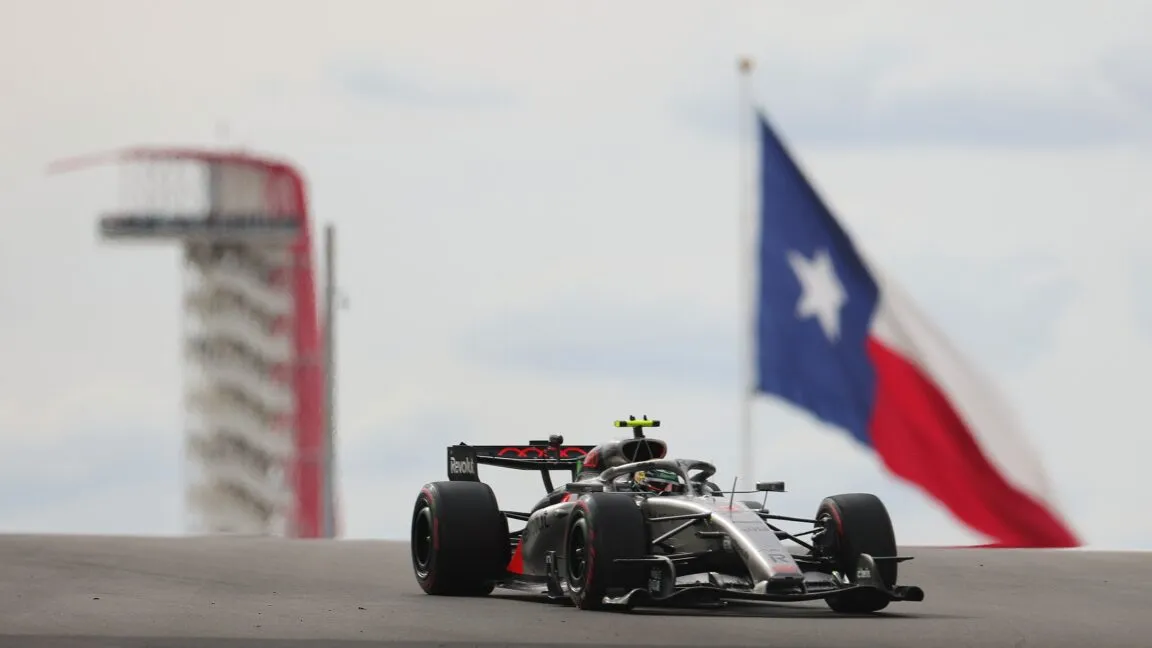
Why is the Circuit of the Americas preferred by racing purists?
The Circuit of the Americas stands apart from other recent additions to the American F1 schedule because it is a purpose-built, permanent racing facility. Unlike the temporary street circuits utilized in Las Vegas or Miami, COTA offers a traditional racing environment characterized by significant run-off areas rather than restrictive concrete walls. This design provides a different safety and tactical profile for drivers, allowing for more aggressive maneuvers and a focus on technical cornering.
Designed by motorcycle racer Kevin Schwanz, the track is noted for its diverse technical requirements. It integrates high-speed corner sequences, heavy braking zones, and significant elevation changes that test both driver skill and vehicle stability. While the buildings and infrastructure were handled by Herman Tilke’s firm, the track's layout itself is a product of Schwanz's vision, creating a unique flow that differs from the standard Tilke-designed circuits seen elsewhere in the world.
The evolution of the COTA landscape
Since the inaugural US Grand Prix in 2012, the venue has undergone a massive transformation. What was once a relatively sparse racing track has evolved into a massive entertainment complex. The surrounding landscape now features extensive hospitality structures, including a paddock building connected via cable car and multiple swimming pools. Furthermore, the site has diversified its business model by integrating amusement rides and rollercoasters into its fringes, effectively turning the circuit into a hybrid of a theme park and a world-class concert and racing venue.
How do track surface conditions affect driver performance?
The track surface at COTA has become increasingly challenging due to the combination of heavy earthworks required for elevation changes and the extreme weather conditions of central Texas. This has resulted in a bumpier surface compared to previous years, creating specific technical issues for the high-performance cars. According to Allan McNish, the racing director of the Audi F1 team, these bumps are concentrated in three critical areas of the circuit.
The most significant issues occur within the braking zones. McNish explains that the intense energy transferred through the brakes into the tires and the tarmac causes the surface to shift, similar to how a carpet might bunch up when feet are slid across it. This movement creates inconsistency for the drivers, potentially leading to difficulties with downshifting and overall car stability. While the circuit is not as notoriously bumpy as historic venues like Sebring, the localized instability in these high-load zones remains a primary concern for engineers and drivers alike.
What is the current status of the Audi F1 team?
The 2026 season marks a pivotal year for Audi as it enters the sport as an official constructor following its 2024 acquisition of Sauber. The team is currently in a developmental phase, focusing on long-term growth rather than immediate dominance. Despite being a newcomer with no prior experience in the constructor category, the team has shown competitive promise by consistently fighting for positions in the third qualifying session (Q3), which is the gateway to scoring championship points.
The team's momentum is built on incremental successes, such as their recent performance in Singapore, where they achieved their best result to date. This milestone saw the car score points in the sprint, qualifying, and the main race. While the Audi currently struggles with straight-line speed and exit performance from slow corners—partly due to the technical implications of using a larger turbocharger—the team is actively working on aerodynamic upgrades to improve performance in the high-speed 'esses' and lower-speed sectors.
Audi's long-term strategic roadmap
Audi's leadership is prioritizing a sustainable trajectory over short-term gains. McNish emphasizes that the team is not merely looking at the 2027 season but is building a roadmap that extends toward 2030. The strategy involves acknowledging that the hierarchy of the top four teams will not shift overnight and focusing on internal improvements across all engineering disciplines. By controlling their own development path and toolsets, the team aims to build the confidence necessary to challenge the established order in the coming years.
How does experience influence F1 team management?
The transition of veteran drivers into leadership roles provides a unique advantage for modern F1 teams. Allan McNish, who brings a wealth of experience from his successful endurance racing career—including three Le Mans and five Sebring victories—applies a driver-centric approach to his role as racing director. This perspective allows him to bridge the gap between raw data and the physical sensations experienced by the driver in the cockpit.
McNish describes his management style as 'living inside the cockpit' virtually. By analyzing the car's movements and the driver's reactions in real-time, he can better correlate the physical 'dancing' of the car with the engineering data provided by the technical team. This ability to understand the nuances of how a car handles bumps and weight transfers is essential for refining the car's setup and ensuring that the engineering support aligns with the driver's needs during a race weekend.
FAQ: F1 in Texas
What makes COTA different from Miami or Las Vegas?
Unlike the temporary street circuits used in Miami and Las Vegas, the Circuit of the Americas is a permanent racing facility. This provides more run-off areas, reducing the reliance on concrete walls and allowing for a more traditional racing experience with higher corner speeds and different safety profiles.
Why is the track surface at COTA getting bumpier?
The bumps are caused by the intense energy from braking zones and the natural settling of the earthworks used to create the track's elevation changes. Combined with the extreme central Texas weather, these factors cause the tarmac to become less consistent over time.
Is Audi F1 a competitive team in 2026?
Audi is currently performing as a competitive newcomer, frequently reaching Q3 in qualifying. While they face challenges in straight-line speed and slow-corner exits, they have already achieved points-scoring finishes in recent races, indicating positive developmental momentum.
Who designed the Circuit of the Americas?
The track was designed by motorcycle racer Kevin Schwanz. While Herman Tilke's company was involved in the construction of the buildings and the general infrastructure, the actual racing layout is attributed to Schwanz's design.
What is Audi's long-term goal in Formula 1?
Audi is focused on a long-term roadmap that extends to 2030. Rather than seeking immediate championship wins, the team is concentrating on improving all engineering areas to eventually challenge the established top four teams in the sport.
Key takeaways
- The Circuit of the Americas is a permanent track, distinguishing it from US street circuits.
- Track bumps are concentrated in braking zones, affecting car stability and downshifting.
- Audi is in its first year as a constructor, focusing on a roadmap toward 2030.
- Allan McNish uses his driving experience to correlate cockpit sensations with engineering data.
The future of racing in Austin
The evolution of the US Grand Prix at the Circuit of the Americas reflects a broader trend in Formula 1: the transition from pure racing venues to massive, multi-purpose entertainment destinations. While the addition of hospitality hubs and amusement rides enhances the spectator experience, the technical integrity of the track remains the primary draw for the sport's core audience. As teams like Audi navigate the complexities of their inaugural seasons, the interplay between track conditions and engineering innovation will continue to define the competitive landscape in Austin.