How does the Crystal Lake series approach the Pam Voorhees backstory?
The Crystal Lake series prioritizes emotional resonance and character development over immediate slasher action, focusing on the psychological transformation of Pamela Voorhees. Unlike the original 1980 film, where Pam Voorhees appeared as a sudden, terrifying force, the series attempts to ground her motivations in a complex personal history. Showrunner Brad Caleb Kane, known for his work on HBO’s Welcome to Derry, has intentionally steered the narrative toward a drama that explores why a mother would descend into such extreme violence to protect her son.
This approach addresses long-standing criticisms of the franchise. In the original film, Pam Voorhees was a character with limited screen time and depth. Even in later installments, the character was often used as a mere plot device. By centering the series on her internal world, the production aims to fulfill a creative desire to see Pam as a multi-dimensional human being rather than a one-dimensional villain.
The influence of Betsy Palmer's vision
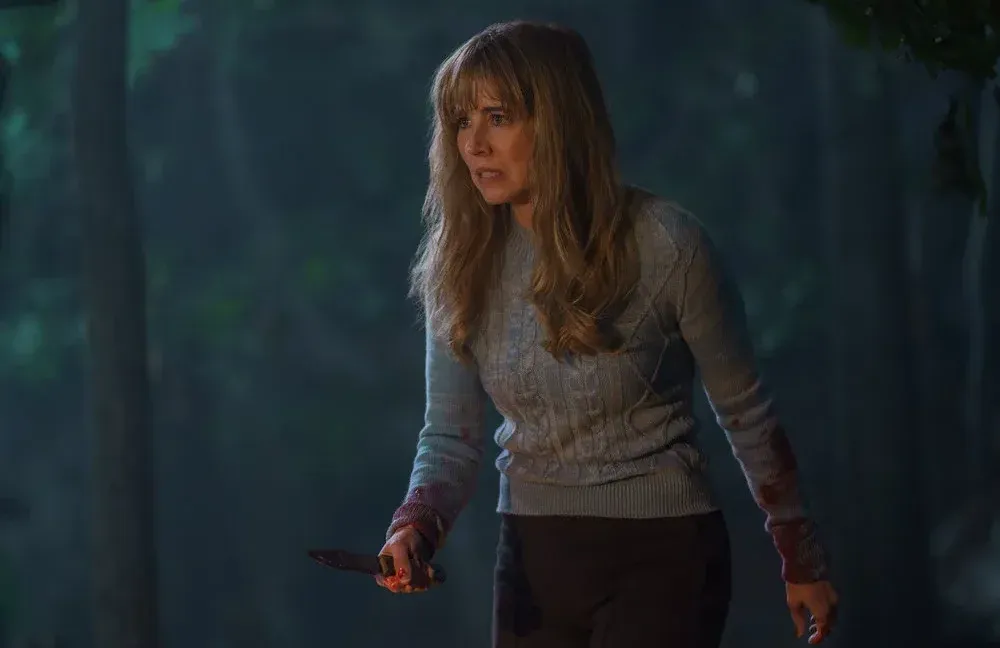
The series appears to be a response to the sentiments expressed by Betsy Palmer, the actress who originated the role in 1980. Palmer famously viewed the original script as lacking substance and had little interest in returning for sequels that offered her character nothing but "stupid" lines. She had hoped that her performance could convey a sense of goodness or humanity beneath the character's actions. The Crystal Lake series adopts this philosophy, utilizing Linda Cardellini to portray a woman whose protective instincts are driven by a profound, albeit twisted, love for her son.
Why did the series change the Friday the 13th timeline?
The Crystal Lake series implements significant chronological shifts to facilitate a more layered narrative. While the original Friday the 13th established Jason's death in 1958, Kane has moved the drowning to the early 1970s. This decision was not made to disregard the source material, but to allow the story to intersect with historical and social themes that enhance the character's struggle.
By shifting the timeline, the showrunners were able to introduce several new narrative elements:
- Corporate Antagonism: The series introduces a corporate entity that conducted experiments on mothers during the early 1960s, providing a catalyst for Pam's psychological state.
- Body Horror: The new setting allows for a "Douglas Sirk-meets-David Cronenberg" style of body horror, adding a visceral layer to the drama.
- Relatability: The adjusted timeline makes Pam's desperate belief in Jason's survival feel more grounded within the context of the era's social anxieties.
Kane has addressed these continuity changes by noting that the franchise's timeline has always been somewhat inconsistent, suggesting that the priority should remain on creating a "character-rich" experience rather than adhering to strict canon.
When does the show transition into traditional horror?
The Crystal Lake series undergoes a notable tonal shift around the third episode, moving from character drama into the visceral territory of the slasher genre. For viewers expecting immediate camp counselor killings, the initial episodes may feel slow due to their focus on self-help gurus, evil corporations, and social dynamics. However, the arrival of a more prominent, murderous Jason marks a turning point in the series' pacing.
As the narrative progresses, the show increases its intensity through several key elements:
- Increased Gore: The series utilizes high-quality special effects makeup to depict graphic violence as the body count rises.
- Slasher Tropes: The arrival of a group of "innocent hippies" at the camp provides the classic setup for the high-stakes kills characteristic of the franchise.
- Visual Homage: While the iconic hockey mask is absent, the series includes carefully recreated scenes and visual cues from the 1980 film to satisfy long-time fans.
This transition allows the series to function as both a psychological study and a tribute to the horror roots that made the franchise a cultural phenomenon.
How does the production honor the original franchise?
Despite its departures from the established lore, the Crystal Lake series maintains a deep connection to the Friday the 13th legacy through subtle nods and intentional design choices. The production functions as a "loving homage," ensuring that the core elements that fans hold sacred remain intact while allowing for new storytelling avenues.
The series incorporates several specific tributes, including:
- Iconic Wardrobe: The return of Pam Voorhees' signature cable-knit sweater serves as a visual anchor for fans.
- Character Archetypes: Linda Cardellini’s portrayal of Pam includes nods to the original actress, such as styling her hair in a manner reminiscent of Betsy Palmer's starlet era.
- Dialogue and Setting: The script weaves in specific names and lines from the original film, and the cinematography emphasizes the haunting beauty of the lake setting.
By blending these elements, the series attempts to bridge the gap between a modern prestige drama and a classic horror tribute, aiming to satisfy both new audiences and die-hard enthusiasts.
FAQ: Crystal Lake series
Is the Crystal Lake series a direct sequel to Friday the 13th?
No, the Crystal Lake series is a prequel rather than a sequel. It focuses on the backstory of Pamela Voorhees, exploring the events and psychological developments that lead up to the killings seen in the original 1980 film, though it takes significant liberties with the established timeline.
Does Jason Voorhees appear in the series?
Yes, Jason Voorhees begins to feature more prominently starting around the third episode. While the series focuses heavily on his mother, the narrative eventually incorporates the elements of his presence and the violence associated with him to transition into the traditional horror genre.
Will the hockey mask be in the show?
The series does not feature the iconic hockey mask associated with Jason. Instead, the show focuses on a different era of the character's history and relies on other visual cues and recreations of original scenes to maintain a connection to the franchise's aesthetic.
How does the series handle the continuity of the movies?
The series intentionally alters certain continuity points, such as the year of Jason's drowning, to create a more emotionally resonant story. Showrunner Brad Caleb Kane has stated that the franchise's continuity is already inconsistent, allowing for these creative liberties to enhance the character development.
Who stars in the Crystal Lake series?
Linda Cardellini stars as Pamela Voorhees. Her portrayal is described as being in "protective mama bear mode," focusing on her intense dedication and love for her son, Jason, which serves as the primary driver for her actions in the series.
Key takeaways
- The Crystal Lake series acts as a character-driven prequel to the 1980 Friday the 13th film.
- Showrunner Brad Caleb Kane shifted the timeline to incorporate historical and social themes.
- Linda Cardellini portrays a more psychologically complex version of Pamela Voorhees.
- The series transitions from psychological drama to slasher horror by the third episode.
Conclusion
The Crystal Lake series represents an ambitious attempt to expand the mythos of the Friday the 13th franchise by looking backward. By moving away from the pure slasher formula in its early stages, the show provides a necessary depth to Pamela Voorhees that was absent in previous iterations. While the deviations from the original timeline and the slower pacing may challenge purists, the series ultimately succeeds in creating a meaningful connection between the mother and her son. It stands as a tribute to the character's roots while offering a fresh, modern perspective on a horror icon's origin.