
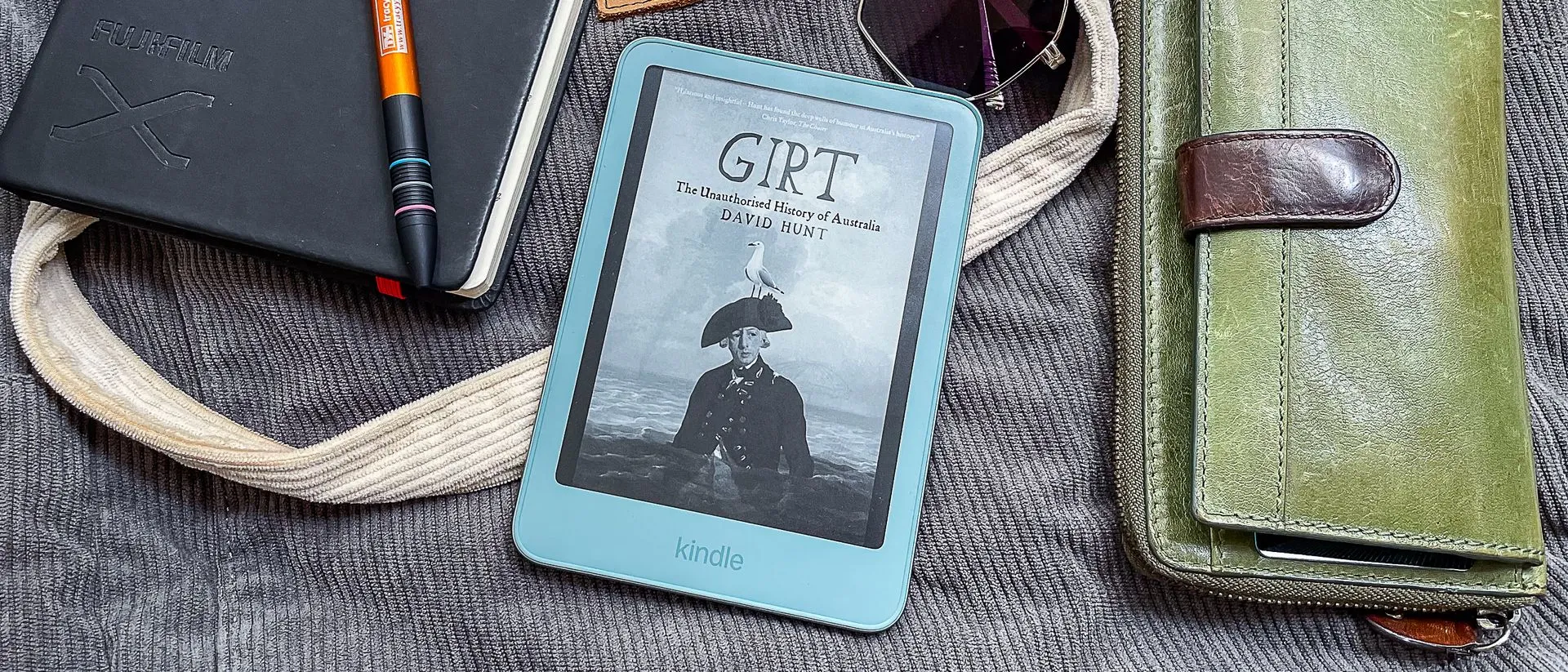
What are the key design and hardware changes in the 2026 Kindle?
The 2026 Amazon Kindle introduces a complete overhaul of its physical architecture, moving beyond the standard plastic construction of previous generations. Amazon now offers two distinct finishes: a traditional plastic model and a premium aluminum chassis. This expansion in material choice is accompanied by a new color palette, including Ube and Graphite for the plastic version, and Alpine Sky and Seaglass Green for the aluminum edition.
Beyond aesthetics, the device has been engineered to be thinner and lighter than its predecessors. The aluminum model, specifically, provides a significant storage boost to 32GB, matching the capacity found in higher-end Signature Editions. Another notable ergonomic change is the relocation of the power and sleep button to the top right edge, a move that aligns the entry-level device with the design language of the Kindle Scribe.
Display improvements and ergonomic trade-offs
The display has undergone a visual transformation with a new flush-to-the-bezel design that provides a more modern, premium appearance. This new screen offers improved contrast and sharper text, enhancing the reading experience. However, the move to a flush screen and slimmer bezels has introduced some practical challenges. The narrow side margins do not provide sufficient space for a reader's thumb to rest comfortably, which frequently triggers accidental page turns during use.
Additionally, some users have reported light bleeding along the top edge of the screen when utilizing dark mode. Amazon has acknowledged this as a manufacturing flaw and has stated they are prepared to exchange units exhibiting this specific issue. On a positive note, both the aluminum and the screen surfaces are notably resistant to fingerprints, avoiding the smudging issues seen in the 2024 Paperwhite model.
How does the performance of the 2026 model compare to previous versions?
Amazon claims that the 2026 base Kindle is 30% faster than the previous generation, a figure that is reflected in the device's general responsiveness. While specific page-turn speeds have not seen a massive visible leap over the 2024 model, the overall user interface feels significantly more fluid. Navigating the Kindle Store, accessing system settings, and opening large book files are all noticeably snappier than on older hardware.
The software experience has also seen a recent refinement via a firmware update. A new feature now automatically groups all titles within a specific series together in the library tab, making series management much easier for readers. While this update was also rolled out to older Kindle generations—meaning existing owners do not lose this specific organizational benefit—the combination of faster processing and the new display remains a hardware-exclusive advantage for the 2026 model.
Is the new battery design a step forward for longevity?
In a departure from previous closed-system designs, the 2026 Kindle now features a replaceable battery, a change implemented to comply with EU regulations. On the plastic model, the rear panel can be popped open relatively easily, whereas the aluminum version requires a small hex screwdriver to remove the back panel. This move toward repairability is a significant shift for Amazon's entry-level hardware.
However, the practical application of this feature remains limited for now. While the hardware allows for battery replacement, official replacement battery packs have not yet appeared on retail platforms like Amazon. Furthermore, while the design is more sustainable, it does not reach the level of repairability offered by competitors. For instance, Kobo's 2024 lineup, including the Clara BW and Libra Colour, offers even greater longevity by allowing users to replace not just the battery, but also the screens and motherboards.
How does the Kindle 2026 stack up against the competition?
Despite the hardware upgrades, the 2026 Kindle faces stiff competition from both Amazon's own higher-end models and external rivals. The pricing structure places the 16GB plastic Kindle at $149.99, which is slightly more affordable than the 2024 Kobo Clara BW ($159.99). However, the Kobo model includes features that Amazon has omitted from its entry-level 2026 Kindle, most notably waterproofing and adjustable warm light temperatures.
The value proposition becomes even more complex when comparing the premium aluminum Kindle to the Kindle Paperwhite. The 32GB aluminum Kindle retails for $189.99, but the 2026 Kindle Paperwhite is available for only $10 more in many markets. Because the Paperwhite offers superior battery life—practically double that of the base Kindle—and more robust features, the aluminum base model struggles to justify its price premium for many users.
| Feature | Kindle (2026) Plastic | Kindle (2026) Aluminum | Kobo Clara BW |
|---|---|---|---|
| Storage | 16GB | 32GB | 16GB |
| Material | Plastic | Aluminum | Plastic |
| Waterproofing | No | No | Yes |
| Warm Light | No | No | Yes |
| Starting Price (US) | $149.99 | $189.99 | $159.99 |
Frequently asked questions
Does the 2026 Kindle have waterproofing?
No, the 2026 Kindle does not include waterproofing, regardless of whether you choose the plastic or the aluminum model. If water resistance is a priority for your reading habits, you may need to consider the Kindle Paperwhite or a competitor like the Kobo Clara BW.
Can I change the battery on the new Kindle?
Yes, the 2026 Kindle is designed with a replaceable battery to meet EU regulations. The plastic model uses a pop-off rear panel, while the aluminum version requires a hex screwdriver. However, official replacement battery kits are not yet widely available for purchase.
Is the 2026 Kindle faster than the 2024 model?
Yes, the 2026 model is reportedly 30% faster than its predecessor. While page-turn speeds are similar, users will notice improved speed when navigating the Kindle Store, opening books, and moving through the device settings menus.
What is the difference between the plastic and aluminum models?
The aluminum model features a premium metal chassis, comes standard with 32GB of storage, and is ad-free by default in the US and UK. The plastic model is more affordable, offers 16GB of storage, and includes ads unless an additional fee is paid.
Does the Kindle 2026 support warm light for night reading?
No, the 2026 entry-level Kindle is limited to white light only. It does not feature the adjustable warm light temperatures found on the Kindle Paperwhite or several Kobo models, which can make reading in the dark less comfortable.
Key takeaways
- The 2026 Kindle introduces a new premium aluminum chassis option with 32GB of storage.
- Hardware improvements include a thinner design and a faster, more responsive user interface.
- The device lacks waterproofing and adjustable warm light, features found in competing models.
- A new replaceable battery design has been added to comply with EU regulations.
The verdict on the 2026 Kindle upgrade
The 2026 Amazon Kindle represents a genuine hardware evolution for the entry-level series, particularly with the introduction of the aluminum finish and improved processing speeds. The design feels more modern and premium thanks to the flush screen and refined ergonomics. However, the absence of essential features like waterproofing and warm light, combined with a battery life that lags significantly behind the Paperwhite, makes it a difficult recommendation for many. It is a solid device for those seeking a lightweight, fast e-reader, but it struggles to provide overwhelming value in a highly competitive market.




