What are the key display upgrades for the new iPad mini?
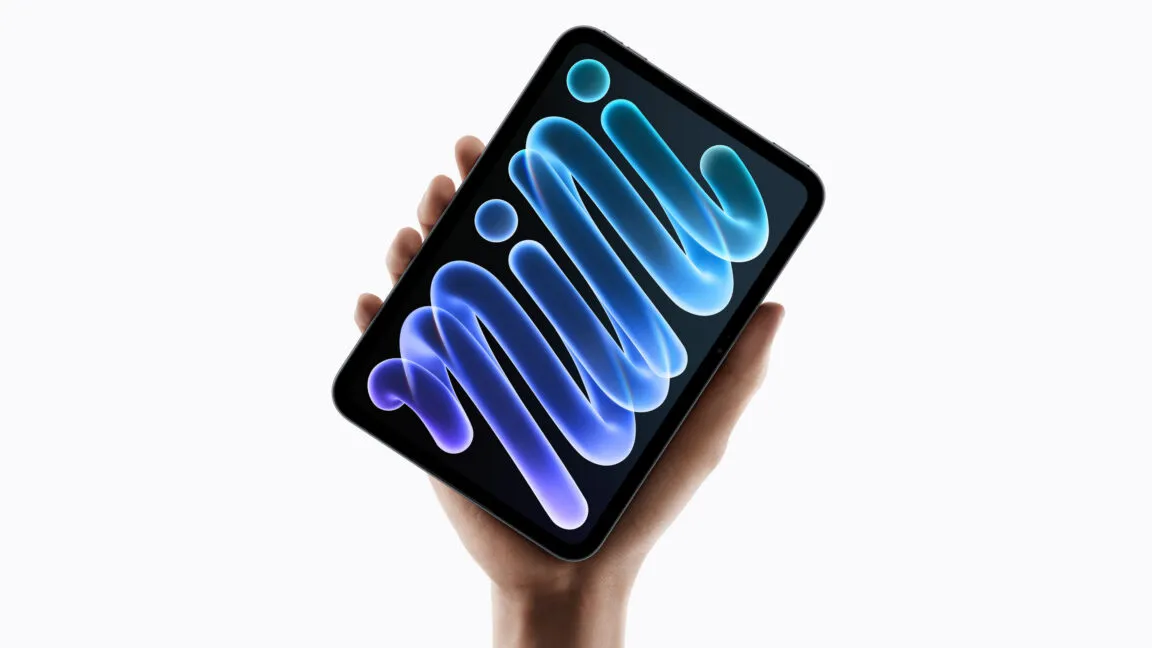
The most prominent change in the 8th-generation iPad mini is the transition to an 8.5-inch Super Retina XDR OLED display. This is a notable increase from the 8.3-inch screen found on the previous generation. Apple achieved this larger surface area by reducing the bezel thickness by approximately 24 percent, allowing the device to maintain a footprint similar to its predecessor while maximizing screen real estate.
The shift from IPS technology to OLED brings several performance benefits to the visual experience. According to Apple, the new display can reach a peak brightness of 1,200 nits, a significant jump from the 500 nits offered by the previous model. Additionally, the OLED panel can scale down to a minimum brightness of 1 nit, making it more suitable for use in dark environments without causing eye strain. For users seeking specific anti-reflective properties, Apple is also offering a nano-textured matte display option.
Comparing Display Specifications
The move to OLED technology aligns the iPad mini more closely with Apple's Pro-tier tablet lineup. The combination of deeper black levels and much higher peak brightness ensures that the device is capable of professional-grade media consumption and content creation. The inclusion of the nano-texture option provides a premium tier for users who work in high-glare environments, though it comes with specific configuration requirements.
How does the A20 Pro chip impact performance and AI?
The 8th-gen iPad mini is powered by the A20 Pro chip, a 2-nanometer processor that was previously introduced in the iPhone 18 Pro and iPhone Duo. This represents a substantial generational leap over the 3-nanometer A17 Pro chip used in the prior iPad mini. The A20 Pro architecture is designed to handle more intensive tasks, particularly through a 50 percent increase in memory bandwidth compared to earlier iterations.
This increased memory speed is critical for on-device artificial intelligence applications. While the Neural Engine serves as the primary driver for AI tasks, the overall efficiency of the 2nm process allows for more complex computations to be performed locally on the device. However, users should be aware that performance is not uniform across all storage configurations.
Hardware tiering and NPU differences
Apple has implemented a tiered hardware approach based on the storage capacity selected by the consumer. The 512GB model is the most capable, featuring the dual 16-core Neural Engine found in the iPhone 18 Pro. In contrast, the 128GB and 256GB versions are equipped with a single 16-core NPU. Furthermore, the lower-capacity models utilize a slightly different CPU configuration, featuring five cores rather than the six cores found in the high-end version. This means that while all models benefit from the A20 Pro architecture, the 512GB model remains the definitive choice for heavy AI workloads and professional multitasking.
What are the new physical design and durability changes?
Despite the larger screen, the 8th-generation iPad mini maintains a compact form factor, coming in at just 5.4 mm thick. This makes the device almost a full millimeter thinner than the previous generation. The chassis has also been upgraded with an IP67 rating for water and dust resistance, a feature that was notably absent from the 7th-generation model.
The camera layout has also seen a functional shift. While Apple has retained the 12 MP resolution for both the front and rear cameras, the position of the front-facing camera has been moved. Instead of being located on the short edge—optimized for portrait-oriented video calls—it is now positioned on the long edge. This change is intended to improve the user experience during landscape-oriented video conferencing, though it may require an adjustment period for users accustomed to the previous orientation.
How is the new iPad mini priced and when is it available?
The pricing for the 8th-gen iPad mini reflects a notable increase in the entry-level cost. The base model, which includes 128GB of storage and Wi-Fi connectivity, starts at $699. This is a significant rise from the 2024 launch price of $499, and even exceeds the $599 price point seen just prior to this release. The upward trend in pricing is accompanied by several upsell options for storage and display technology.
| Configuration | Base Price (Wi-Fi) | Cellular Price |
|---|---|---|
| 128GB | $699 | $849 |
| 256GB | $899 | - |
| 512GB | $999 | - |
Storage upgrades follow a specific scale: adding 256GB costs an additional $100, while moving to the 512GB tier adds $300 to the base price. The nano-textured matte display is available as a $100 premium, but it is restricted to the 256GB and 512GB configurations. For those requiring mobile connectivity, the 128GB cellular model is priced at $849.
Release Schedule
Consumers looking to purchase the new device should note the upcoming release timeline. Preorders for the iPad mini are scheduled to begin at 10:10 am PT on Wednesday, October 28, 2026. Following the preorder period, the devices are expected to arrive in retail stores and at customer doorsteps on November 6, 2026.
Frequently asked questions
What is the difference between the OLED and IPS displays?
The new OLED display offers significantly better contrast and deeper black levels than the previous IPS technology. It also provides a much higher peak brightness of 1,200 nits, compared to 500 nits on the older model, and can drop to 1 nit for dark-room viewing.
Does every iPad mini have the same AI performance?
No, AI performance varies by storage capacity. The 512GB model includes a dual 16-core Neural Engine, whereas the 128GB and 256GB models use a single 16-core NPU. Additionally, the lower-capacity models feature a five-core CPU instead of a six-core CPU.
Is the new iPad mini waterproof?
The 8th-generation iPad mini features an IP67 rating for water and dust protection. This is a new addition to the mini lineup, as the 7th-generation model did not have an official IP rating for environmental resistance.
Why did the front camera move?
The front-facing camera has been moved from the short edge to the long edge of the device. This repositioning is designed to better accommodate video calls when the tablet is held in a landscape orientation, rather than portrait.
How much more does the 512GB model cost?
The 512GB configuration costs $300 more than the base 128GB model. This brings the starting price for the high-capacity Wi-Fi version to $999, excluding any additional costs for cellular connectivity or the nano-texture display option.
Key takeaways
- The 8th-gen iPad mini features an 8.5-inch Super Retina XDR OLED display with 1,200 nits peak brightness.
- The device is powered by the 2nm A20 Pro chip, offering improved graphics and memory bandwidth.
- Only the 512GB model includes the full dual 16-core Neural Engine for advanced AI tasks.
- The new chassis is 5.4 mm thin and carries an IP67 rating for water and dust resistance.
- Base pricing starts at $699 for the 128GB Wi-Fi model, with preorders starting October 28.
Conclusion
The 8th-generation iPad mini represents a major technical pivot for Apple's small-form-factor tablet. By integrating OLED technology, the A20 Pro chip, and improved environmental resistance, Apple has addressed several long-standing requests for the mini line. While the price increase from $499 to $699 may be a deterrent for some, the hardware upgrades—particularly the display and processing power—position the device as a much more capable tool for both media consumption and AI-driven productivity. The tiered hardware approach ensures that power users can access maximum performance, albeit at a higher premium.