
What is the M-Vave FM-1 and how did it change?
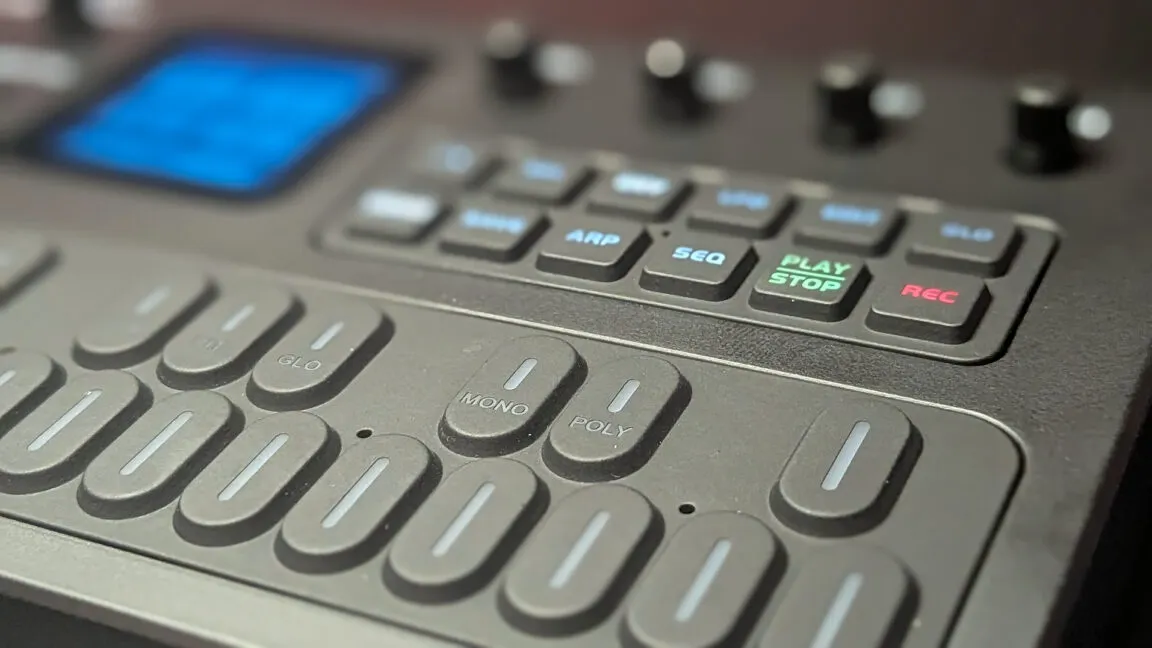
The M-Vave FM-1 is a pocket-sized frequency-modulation synthesizer designed as an affordable alternative to legendary hardware like the Yamaha DX7. At its initial launch, the device was a straightforward musical tool with 27 physical piano keys and a 1.54-inch TFT display. However, its identity shifted significantly in July 2026 when developers on Reddit's r/synthdiy community began reverse-engineering its stock firmware.
What started as niche tinkering has evolved into a robust ecosystem of custom software. M-Vave officially supported this movement by launching the FM1 Open package, which includes an SDK and an in-browser emulator. This allows users to test custom code before applying it to the physical hardware. While the core synthesis engine is still distributed as a closed binary, the ability to overhaul the application layer has turned a $60 gadget into a platform for diverse digital projects.
How can users safely install custom firmware?
Flashing new software onto the FM-1 requires caution because the JieLi chip used in the device stores firmware in a single flash bank. If an update is interrupted, the device can enter a state that is difficult to recover from, potentially "bricking" the unit. Users must ensure the device is fully charged and connected via USB throughout the entire process.
Essential precautions for the flashing process
Before attempting to modify the software, users should adhere to several technical requirements to ensure stability:
- Browser Compatibility: Use a Chromium-based browser, as the installation process relies on WebUSB and WebMIDI support, which is not available in Firefox.
- Data Protection: Flashing new firmware will wipe all existing projects and settings; therefore, a full backup of all saved data is mandatory.
- Firmware Sequencing: It is highly recommended to update to the official stock v15 firmware before attempting to install any community-made builds.
- Power Stability: Ensure the computer used for flashing is configured not to enter sleep mode during the write process.
If a flash fails, M-Vave has provided a "force-flash" tool within the FM1 Workbench that can restore the device to stock v15 in approximately 10 seconds.
What are the most popular community firmware projects?
The FM-1 community has developed several distinct software packages that fundamentally alter the device's purpose. These projects range from gaming novelties to professional-grade musical tools.
Gaming and Nostalgia: Doom
In a classic demonstration of hardware versatility, developers have successfully ported the game Doom to the FM-1. Despite the small 240 x 240 display and the unconventional interface of mini piano keys, the game is playable. While the limited draw distance can lead to sudden enemy appearances, it serves as a testament to the device's processing capabilities.
Sound Design: Melodee
Melodee shifts the focus from FM synthesis to phase distortion and emulation. Inspired by the mid-80s Casio CZ-1, this firmware includes four distinct engines: a CZ-1 emulator, a DX7-style engine, a percussion engine for 808-style sounds, and a Commodore 64 SID chip emulator. This makes the FM-1 a portable chiptune workstation for enthusiasts of 8-bit era soundtracks.
Advanced Production: Felucca
Felucca is perhaps the most significant advancement for musicians, as it transforms the FM-1 into a multi-engine synthesizer. Unlike the stock firmware, which limits users to one instrument at a time, Felucca allows for the simultaneous playback of independent instruments. It features over a dozen sound engines, including virtual analog and phase distortion, alongside a built-in sampler, enabling full-band compositions on a single device.
How do developers transition between different custom builds?
To minimize the risk of hardware failure, the community has established specific protocols for moving between different custom firmware versions. A common recommendation is to avoid flashing one custom build directly over another. Instead, users should roll back to the official stock v15 firmware using the M-VAVE official updater before installing a new package.
For those seeking a more streamlined method, a developer known as Quixotic7 created TransitFM1. This is a lightweight bridge firmware designed with crash-guarded boot stubs. It emulates the identity of the stock v15 firmware, allowing users to transition between various custom builds more safely than a direct overwrite.
Frequently asked questions
Can I play Doom on the M-Vave FM-1?
Yes, the FM-1 can run Doom via community-developed firmware. While the 240 x 240 TFT display and piano-key interface are not ideal for traditional gaming, the game is functional and serves as a popular novelty project for the device.
Is the M-Vave FM-1 open source?
The application layer is open source under the GPLv3 license, supported by M-Vave's FM1 Open package. However, the underlying synthesis engine is still distributed as a closed binary, meaning the core sound generation logic remains proprietary.
What happens if a firmware update is interrupted?
An interrupted update can leave the JieLi chip in a non-functional state, potentially bricking the device. To prevent this, users should use a Chromium-based browser, ensure a stable power connection, and avoid letting their PC sleep during the process.
Do I need a specific browser to flash the FM-1?
You must use a Chromium-based browser for the installation process. This is because the official installers require WebUSB and WebMIDI support to communicate with the hardware, features that are currently unavailable in browsers like Firefox.
How can I recover a device that failed to flash?
If a flash attempt fails, you can use the "force-flash" tool found in the FM1 Workbench. This tool is designed to restore the device to the official stock v15 firmware, typically taking about 10 seconds to complete.
Key takeaways
- The M-Vave FM-1 is a $60 FM synthesizer that has become a versatile platform through community firmware.
- M-Vave's FM1 Open initiative provides an SDK and emulator to support custom development.
- Custom firmware like Melodee and Felucca can transform the device into a chiptune or multi-engine synth.
- Users should always update to stock v15 firmware before attempting to install community-made software.
Conclusion
The evolution of the M-Vave FM-1 illustrates the profound impact that open-platform initiatives can have on low-cost hardware. By providing the tools necessary for community experimentation, M-Vave has enabled a small, affordable synthesizer to transcend its original purpose. Whether being used as a novelty device to run Doom or as a sophisticated multi-engine workstation via Felucca, the FM-1 has become a standout example of how software can breathe new life into hardware. As the community continues to develop new projects, the device's potential as a pocket studio remains significant.




