How do the primary and cover displays compare?
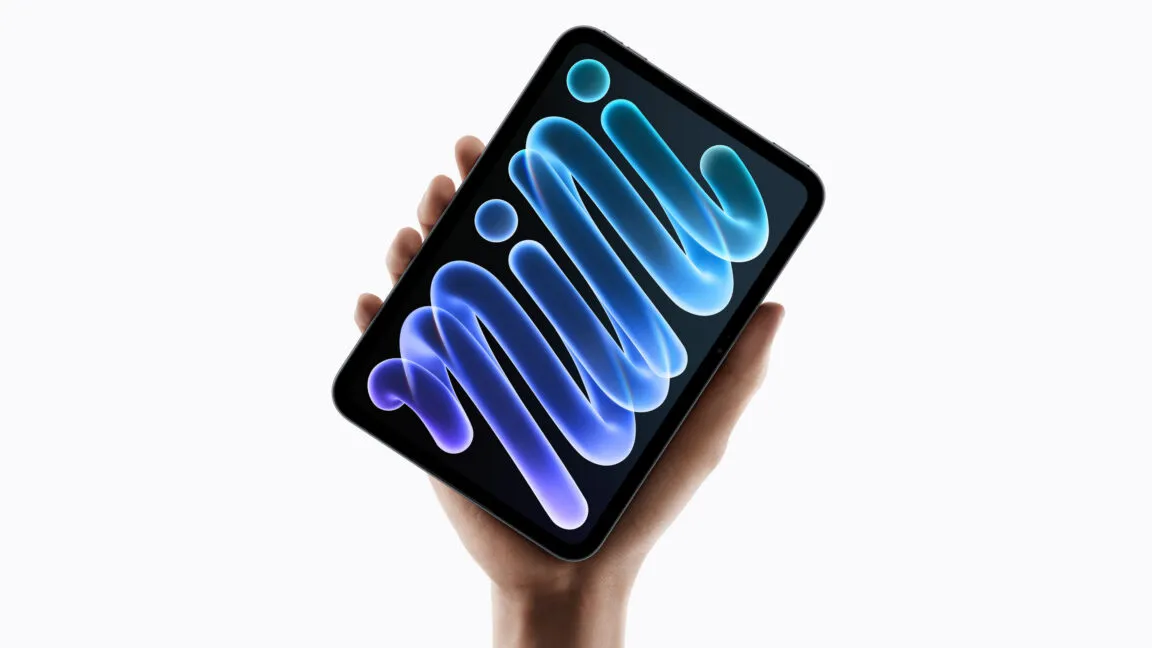
The internal screen real estate is virtually identical between the two competitors, as both the Apple iPhone Duo and the Samsung Galaxy Z Fold 8 utilize 7.6-inch main displays. However, the technical specifications and visual experiences differ upon closer inspection. Apple employs a Super Retina XDR OLED panel, whereas Samsung utilizes a Dynamic AMOLED display. While both devices reach a peak brightness of 3000 nits, the iPhone Duo offers a slightly higher resolution of 1878 x 2670 compared to the Samsung's 1848 x 2448, providing a marginally sharper image.
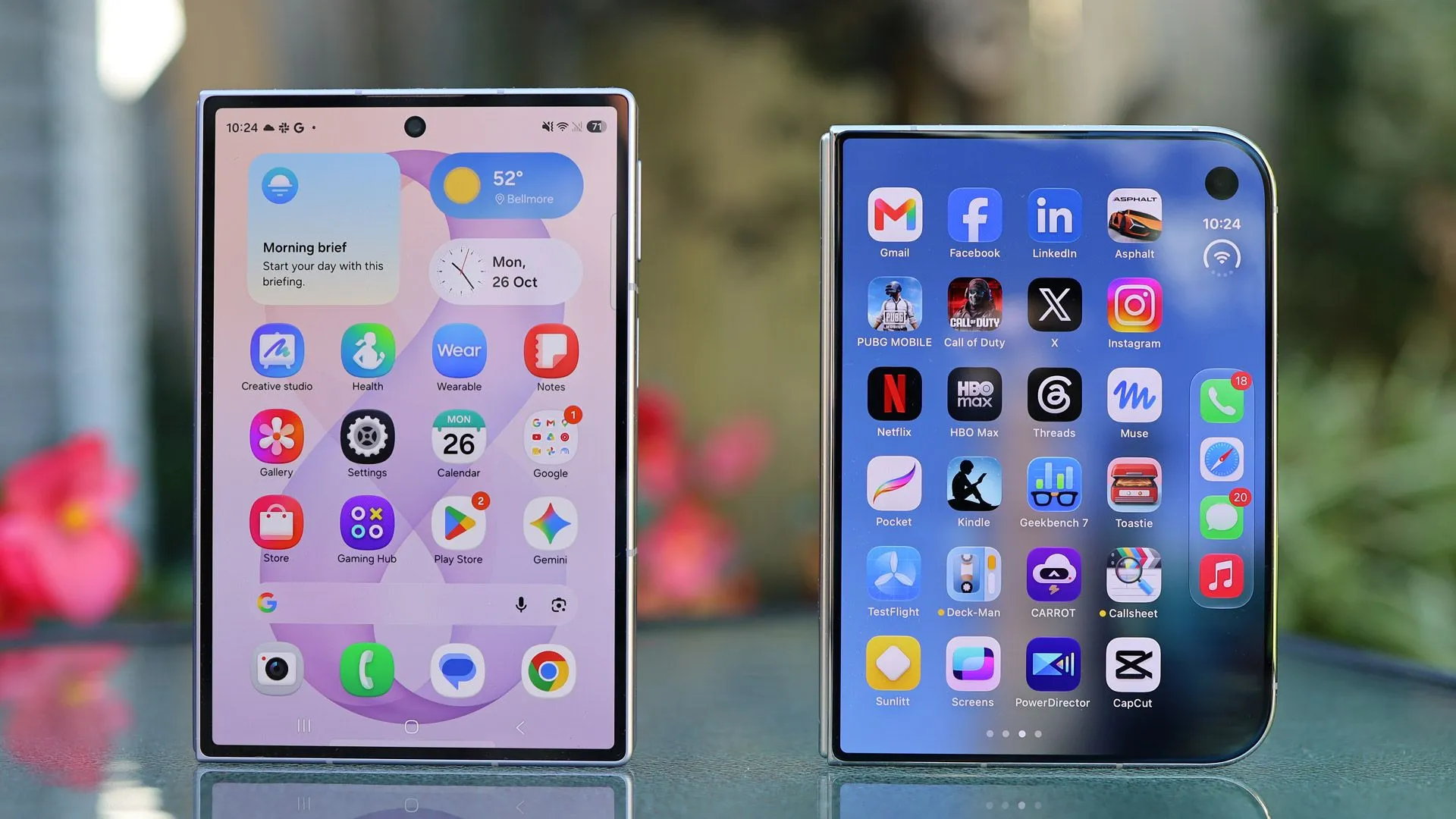
The external cover screens also follow a similar scale but differ in shape and symmetry. The Samsung Galaxy Z Fold 8 features a 5.5-inch AMOLED display with a symmetrical design and square corners. In contrast, the Apple iPhone Duo uses a 5.4-inch Super Retina XDR display with an asymmetrical design; one side of the display remains flat near the hinge while the other is curved, a design choice reminiscent of Google's Pixel Pro Fold series.
Display Specification Summary
| Feature | Apple iPhone Duo | Samsung Galaxy Z Fold 8 |
|---|---|---|
| Main Display Size | 7.6 inches | 7.6 inches |
| Main Display Type | Super Retina XDR OLED | Dynamic AMOLED |
| Main Resolution | 1878 x 2670 | 1848 x 2448 |
| Cover Display Size | 5.4 inches | 5.5 inches |
| Peak Brightness | 3000 nits | 3000 nits |
What is the impact of the display crease?
The visibility of the central crease remains one of the most significant differentiators between these two flagship foldables. Samsung's Galaxy Z Fold 8, despite years of mechanical refinement, still exhibits a visible, approximately half-inch-wide wavy area when viewed under direct light. This crease is a physical reality of the folding mechanism that becomes apparent during specific lighting conditions.
Apple has taken a different approach to address this issue through material science rather than pure mechanical elimination. The iPhone Duo utilizes a nano-texture covering on its flexible display. This specialized material works by dispersing light across the surface, making the crease significantly harder to detect visually. While the physical indentation can still be felt by touch, the nano-texture ensures that the crease is nearly invisible to the eye during standard use, providing a more seamless visual experience than the Samsung counterpart.
How do the build materials and durability differ?
Both manufacturers have opted for premium, high-durability materials to justify the flagship positioning of these devices. Apple utilizes a polished titanium frame that carries a high-shine finish, which, while aesthetically striking, is prone to attracting fingerprints. Samsung employs a brushed aluminum frame, though it incorporates titanium elements beneath the screen for added structural integrity.
Durability is further bolstered by advanced glass technology on both handsets. Apple uses Ceramic Shield 2 for both the front and rear glass surfaces, while Samsung relies on Corning Gorilla Glass Victus 2. While both are designed to withstand significant wear, real-world usage can still result in damage; for instance, the Z Fold 8 has been noted to sustain minor scratches on the cover screen under normal handling conditions.
What role does hinge technology play in the design?
The hinge is the fundamental component that dictates the longevity and feel of a foldable device. Samsung has a significant advantage in terms of historical development, having spent nearly ten years perfecting the mechanics of folding screens. The Galaxy Z Fold 8 represents the culmination of this effort, featuring a hinge that sits flush against the back of the device, making the mechanical transition almost imperceptible when the phone is opened.
While Apple has entered the fray later, their design philosophy focuses on how the hinge interacts with the user's visual perception. By combining the mechanical hinge with the aforementioned nano-texture, Apple aims to create a device where the folding action feels more integrated into the display experience. Samsung focuses on the mechanical elegance and thinness of the hardware, whereas Apple focuses on masking the physical limitations of the folding technology.
Frequently asked questions
Which phone has a better internal screen?
The Apple iPhone Duo offers a slightly superior internal screen in terms of raw resolution and visual consistency. While both are 7.6 inches and reach 3000 nits, the iPhone's higher resolution (1878 x 2670) and nano-texture coating make it appear sharper and more seamless than the Samsung.
Is the Samsung Galaxy Z Fold 8 more durable?
Both devices use high-end materials, with Samsung using Gorilla Glass Victus 2 and Apple using Ceramic Shield 2. However, Samsung's brushed aluminum frame and Apple's polished titanium frame offer different tactile experiences, and both are susceptible to minor surface scratches over time.
How does Apple hide the screen crease?
Apple uses a nano-texture covering on the iPhone Duo's flexible display. This material disperses light across the screen, which prevents the light from catching the edge of the crease, making it much harder to see visually compared to the Samsung Galaxy Z Fold 8.
Are the cover screens different in shape?
Yes, the Samsung Galaxy Z Fold 8 features a symmetrical cover screen with square corners, while the Apple iPhone Duo uses an asymmetrical design with one flat side and one curved side, similar to the Google Pixel Pro Fold line.
What is the main difference in build materials?
The primary difference lies in the frame construction: Apple uses a polished titanium frame that is prone to fingerprints, whereas Samsung utilizes a brushed aluminum frame with titanium components located beneath the display for structural support.
Key takeaways
- Both devices feature 7.6-inch main displays with a peak brightness of 3000 nits.
- Apple's iPhone Duo uses nano-texture to make the display crease nearly invisible.
- Samsung's Galaxy Z Fold 8 features a symmetrical cover screen with square corners.
- Apple utilizes Ceramic Shield 2, while Samsung uses Corning Gorilla Glass Victus 2.
- The iPhone Duo has a higher internal resolution than the Samsung Galaxy Z Fold 8.
Conclusion
The comparison between the Apple iPhone Duo and the Samsung Galaxy Z Fold 8 reveals two distinct philosophies in the foldable market. Samsung continues to lead in mechanical refinement, offering a highly optimized, symmetrical, and mature hinge system. Apple, however, has successfully used material innovation to solve the aesthetic problem of the display crease, providing a more visually continuous experience. Ultimately, the choice between them depends on whether a user prioritizes Samsung's decade of mechanical expertise or Apple's clever use of nano-texture to enhance visual immersion. Neither device holds a definitive advantage, as both represent the current pinnacle of foldable technology.