Why are relaxation gadgets effective for seasonal sleep struggles?
Relaxation gadgets work by providing structured sensory input that helps the nervous system transition from a state of alertness to one of rest. During winter, the reduction in natural light can disrupt the body's internal clock, often leading to increased feelings of stress or difficulty falling asleep. Technology designed for wellness aims to bridge this gap by simulating natural rhythms or providing tactile feedback that encourages deep breathing and muscle relaxation.
Because sleep is an intensely personal experience, a "one size fits all" approach rarely works. Some people require auditory stimulation, such as white noise, to drown out environmental disturbances, while others benefit from tactile tools that guide their breathing patterns. The effectiveness of these devices often lies in their ability to remove the cognitive load of "trying" to relax, instead providing an external cue that the body can follow automatically.
The importance of personalization in sleep technology
A former Sleep Editor highlights that what facilitates rest for one individual may be ineffective for another. This underscores the necessity of exploring different modalities—auditory, visual, tactile, and thermal—to identify which sensory triggers best facilitate your specific wind-down process. Whether you need to block out a partner's snoring or require a gentle sunrise simulation to wake up, the modern market offers highly specialized solutions.
How can breathing tools assist in stress reduction?
Breathing tools are specialized gadgets designed to regulate respiratory patterns, which is a fundamental component of calming the autonomic nervous system. By providing a physical object to interact with, these devices move the user away from screen-based distractions and toward mindful, rhythmic breathing.
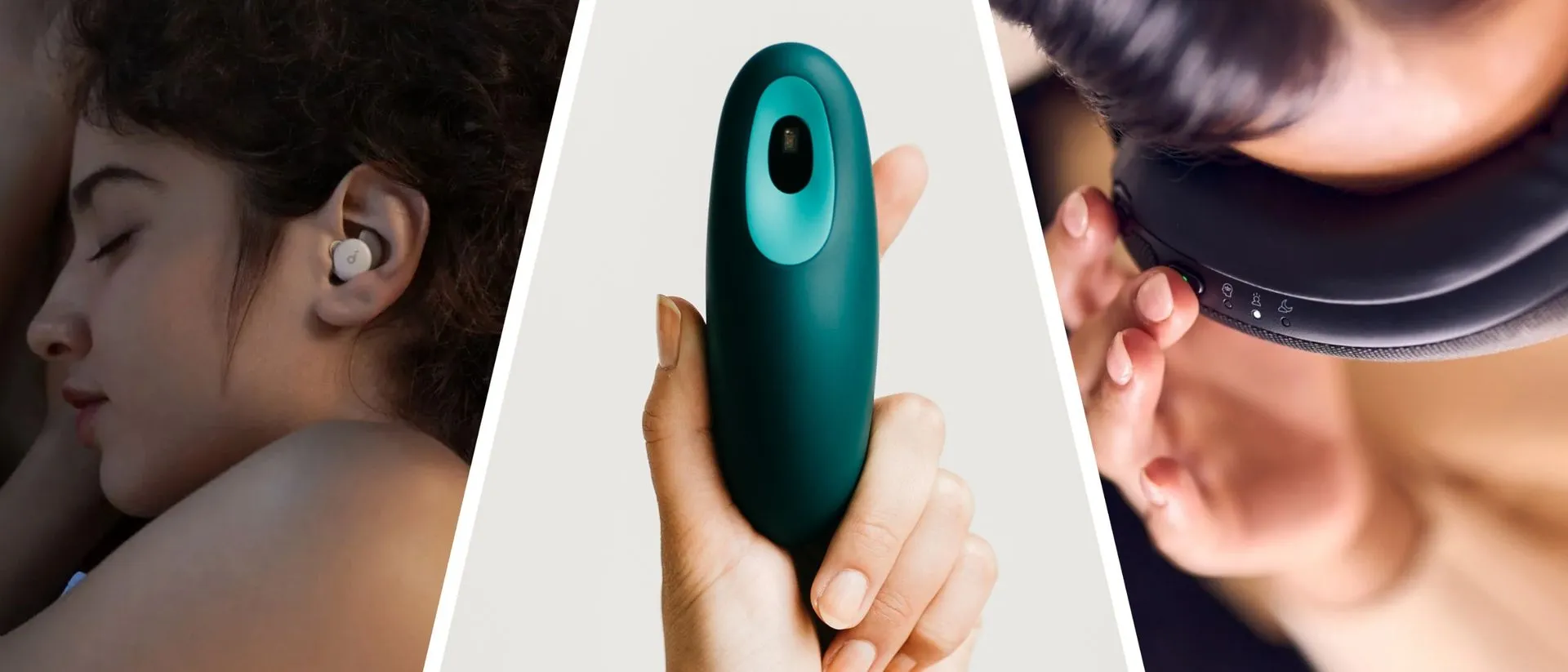
The Moonbird, for example, serves as a minimalist breathing aid that uses physical expansion and contraction to guide the user. When you hold the device, it expands to signal an inhalation and contracts to signal an exhalation. This tactile feedback is particularly useful for relieving tension. Advanced versions of these tools now include heart rhythm sensors and can sync with health ecosystems like Apple Health, Google Health, or Oura to provide data-driven insights into how breathing exercises impact your physiological state.
Other devices, such as the Morphee, offer a screen-free environment to prevent the blue light exposure that often inhibits melatonin production. The Morphee uses a system of winding keys and symbols to allow users to select from hundreds of routines, including guided visualizations and natural background noises, all without the need for a digital interface or buttons.
What role does sound and light play in sleep hygiene?
Sound and light are two of the most powerful environmental factors influencing sleep quality. Modern gadgets leverage these elements to either mask disruptive noises or to mimic natural biological cues, such as the rising sun.
For those struggling with environmental noise, specialized audio tools can provide a sanctuary. The Soundcore Sleep A20 features an ultra-shallow profile designed specifically for side-sleepers, allowing for comfortable use of headphones throughout the night. These devices often include twin-seal ear tips to block out external sounds like snoring, while allowing the user to play white noise or podcasts at a controlled volume.
Light-based technology focuses on the transition between sleep and wakefulness. The Hatch Restore 3 acts as a sophisticated alarm clock that avoids the jarring impact of traditional beeps. Instead, it uses a gradual brightening feature to mimic a sunrise, which helps the body wake up more naturally. Additionally, these devices often serve multiple purposes, functioning as nightstand lights or emitting soothing sounds to help the user drift off.
Can wearable technology improve physical relaxation?
Wearable relaxation technology often moves beyond simple audio or light, incorporating thermal and mechanical stimulation to address physical tension and headaches.
The Therabody SmartGoggles represent a high-tech evolution of the standard sleep mask. While they provide total light blackout, they also integrate advanced features such as compression massage, soothing heat, and vibrations. These multi-sensory inputs are specifically designed to aid in stress relief and the management of headaches, providing a physical sensation of relaxation that a standard mask cannot achieve.
Similarly, all-in-one devices like the Homedics Soundsleep Aura offer a portable, cordless solution for relaxation. This device can function as a meditation guide, a sound machine, or a night light. Because it is compact and offers significant battery life—up to 68 hours on a single charge—it is particularly suited for travelers who may find it difficult to maintain sleep routines in new environments.
Key takeaways
- Personalized sleep solutions are essential as individual responses to relaxation tools vary significantly.
- Breathing aids like the Moonbird use tactile expansion and contraction to regulate respiratory rhythms.
- Screen-free devices, such as the Morphee, help prevent blue light interference during wind-down time.
- Light-mimicking alarms, like the Hatch Restore 3, facilitate gentler wakefulness via sunrise simulations.
- Wearable tech can provide physical relief through heat, vibration, and compression massage.
FAQ: relaxation gadgets
How do breathing aids like Moonbird work?
Moonbird is a tactile tool that expands and contracts in your palm to guide your breathing. It signals when to inhale and when to exhale, helping to regulate your heart rhythm and reduce tension through rhythmic, mindful breathing exercises.
Are sleep headphones comfortable for side sleepers?
Yes, specialized sleep headphones like the Soundcore Sleep A20 are designed with an ultra-shallow profile. This ensures they sit neatly in the ear with minimal protrusion, making them comfortable for people who sleep on their sides without causing pressure.
Can smart sleep masks help with headaches?
Advanced sleep masks, such as the Therabody SmartGoggles, can assist with headaches by providing soothing heat, vibrations, and compression massage. These features work together to relieve physical tension and provide a multi-sensory relaxation experience.
What is the benefit of a sunrise alarm clock?
A sunrise alarm clock, such as the Hatch Restore 3, mimics the natural progression of light at dawn. This gradual brightening helps rouse you gently from sleep, avoiding the stress response often triggered by loud, aggressive traditional alarm sounds.
Is it better to use a screen-free relaxation device?
Using screen-free devices like the Morphee or Homedics Soundsleep Aura is often better for sleep hygiene. Avoiding screens prevents blue light exposure, which can interfere with the body's natural production of melatonin and disrupt your sleep cycle.
Conclusion
Navigating the world of sleep technology requires an understanding of your own sensory preferences. Whether you find relief through the rhythmic guidance of a breathing tool, the soothing warmth of a smart mask, or the gentle light of a sunrise simulator, the goal is to create a consistent, calming environment. As the winter months bring shorter days and potential seasonal challenges, investing in high-quality relaxation gadgets can provide the structured support needed to maintain healthy sleep patterns. By selecting tools that address your specific needs—be they auditory, tactile, or thermal—you can better manage stress and improve your overall well-being.