
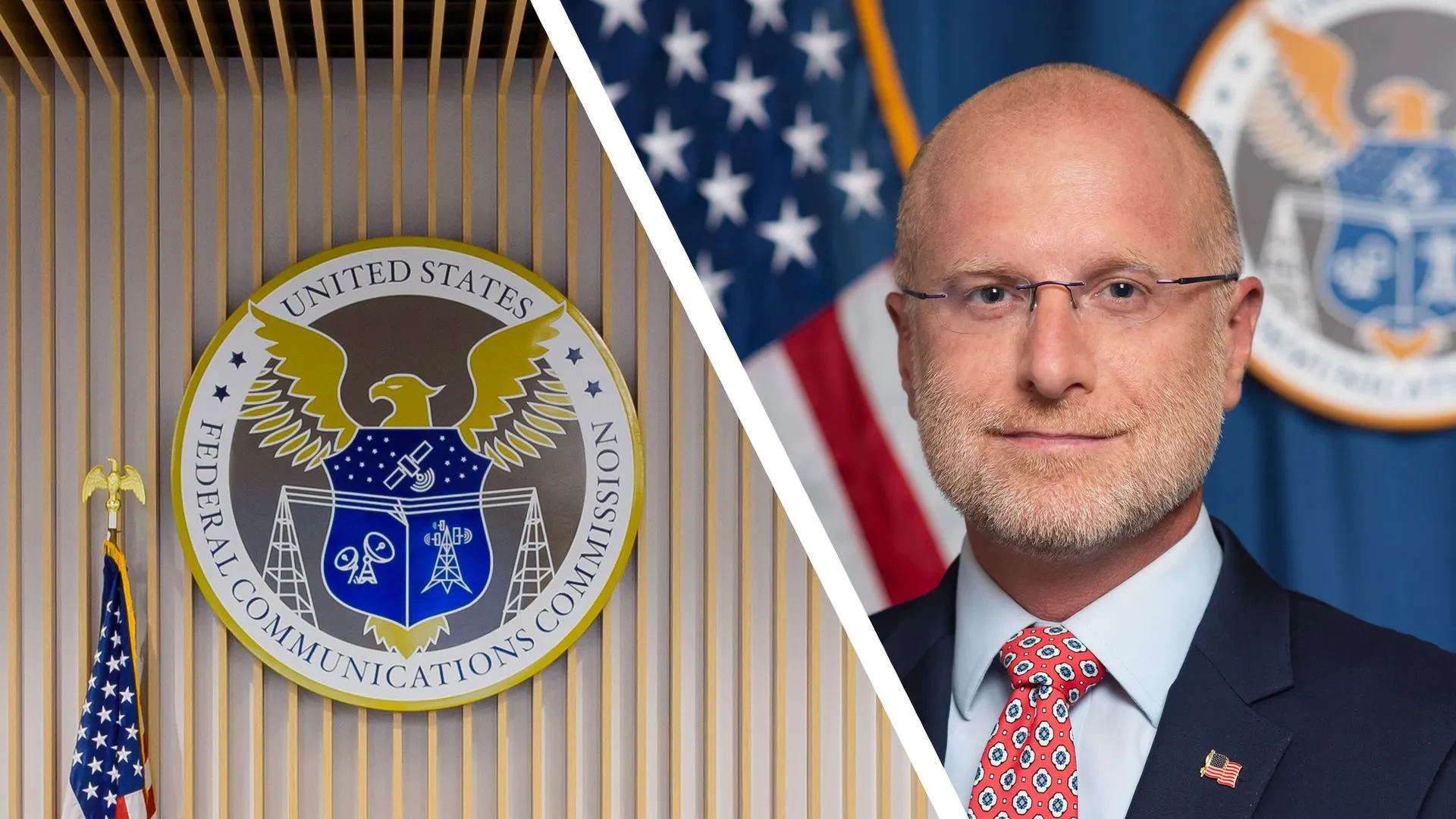
Expanding the scope of the FCC Covered List
The Federal Communications Commission (FCC) is fundamentally altering how it manages the Covered List, the official registry of technology products deemed a threat to United States national security. While the list has historically focused on entire entities—such as the hardware produced by DJI—new regulatory frameworks now allow for a much more granular approach to enforcement.
Under these updated rules, the FCC is no longer limited to banning devices manufactured by specific prohibited companies. Instead, the agency can now target individual devices based on the presence of specific, high-risk components within them. This shift means that even a product from a non-blacklisted manufacturer could be banned if it contains a single component sourced from a restricted foreign entity. This granular enforcement strategy aims to close loopholes that previously allowed foreign-controlled hardware to enter the domestic market under different brand names.
The rise of foreign surveillance chips
Two unnamed electronic devices have recently been added to the Covered List due to the integration of HiVision chips, which are produced by a subsidiary of Huawei. Because Huawei is already subject to significant restrictions, any hardware utilizing its technology is now under intense regulatory scrutiny.
These specific components are frequently found in consumer-facing electronics, particularly home security cameras and dashcams. The FCC has categorized these as "foreign surveillance chips" due to their specialized capabilities. Specifically, these chips feature built-in detection algorithms designed for human face recognition. While manufacturers often market these features as tools for identifying strangers or enhancing property security, the FCC views the ability of foreign-linked hardware to process biometric data as a significant security vulnerability. The inclusion of these chips on the Covered List serves as a warning to manufacturers that component sourcing is now as critical as brand identity in regulatory compliance.
Intel's temporary reprieve for semiconductor manufacturing
Despite the tightening restrictions, Intel has successfully secured a waiver from the FCC to ensure its manufacturing capabilities remain uninterrupted. According to reports from Reuters, the semiconductor giant has been granted an exception for the advanced robotics currently utilized within its production facilities.
Intel's argument for this exemption centers on the current inability to source comparable, domestically produced robotics. The company relies on "foreign-made advanced robotics" that are essential to its day-to-day operations. The FCC has acknowledged this reality, granting the waiver to prevent potential disruptions in the availability of domestic semiconductor manufacturing services. This decision highlights a complex tension between national security goals and the practical needs of the domestic high-tech industrial base.
The limitations of the Intel waiver
It is important to note that this exemption is not a permanent solution for Intel. The waiver is currently set to last for only one year. During this period, Intel must either transition to factory floor robots that do not contain prohibited foreign components or submit a new application to the FCC to extend its access to the existing machinery.
Furthermore, the scope of this waiver is strictly limited. It applies only to the existing models of Automated Guided Vehicles that have been in operation for approximately two decades. The exemption covers necessary software, firmware, and hardware updates to keep these legacy machines running, but it does not extend to the purchase or deployment of new models containing foreign-made components.
Implications for the global technology supply chain
The FCC's move toward component-level banning signals a major shift in how global supply chains must be managed. For hardware manufacturers, the era of "black box" component sourcing is ending. Companies must now maintain rigorous visibility into their sub-tier suppliers to ensure that no single chip or firmware module triggers a regulatory ban.
For the semiconductor industry, the Intel case illustrates the difficulty of decoupling from globalized manufacturing tools. While the US aims to bolster domestic production, the specialized robotics required to run these factories are often part of a deeply integrated global network. The one-year window provided to Intel underscores the urgency of developing a domestic robotics ecosystem that can support the next generation of semiconductor fabrication without compromising national security standards.
Frequently Asked Questions
What is the FCC Covered List?
The Covered List is an official registry maintained by the Federal Communications Commission that identifies technology products and companies deemed to pose a threat to US national security. It is used to restrict or ban the sale and use of specific hardware and software within the country.
Why are HiVision chips being banned?
HiVision chips are being banned because they are subsidiaries of Huawei, a company already restricted by the US. The FCC classifies them as foreign surveillance chips because they contain built-in algorithms for human face detection, which presents a potential security risk for users.
Why did Intel receive a waiver for its robots?
Intel received a waiver because its semiconductor factories rely on advanced foreign-made robotics that cannot currently be sourced domestically. The FCC granted this exception to avoid disrupting the availability of essential domestic semiconductor manufacturing services during the transition period.
How long does the Intel exemption last?
The exemption granted to Intel is temporary and lasts for one year. After this period, Intel must either find alternative robotics that do not use prohibited foreign components or re-apply to the FCC to seek further authorization for its existing automated systems.
The future of hardware security regulation
The recent actions by the FCC represent a significant evolution in the regulation of digital infrastructure. By moving beyond brand-level bans to target specific components like the HiVision chip, the agency is addressing the complexities of modern, modular hardware design. While the Intel waiver provides a necessary buffer for critical domestic industries, it also highlights a looming challenge: the difficulty of maintaining high-tech manufacturing while simultaneously purging foreign-linked components from the supply chain. As these regulations take hold, the industry must prepare for a future where component provenance is as vital as the final product itself.