Why is Instagram moving toward long-form video content?
Instagram is shifting its strategy to allow for much longer video durations to prevent creators from migrating to competing platforms for deep-dive content. For several years, the social media landscape has been dominated by short-form, vertical video, a trend Instagram embraced through the massive success of Reels. However, this focus on brevity has created a ceiling for certain types of storytelling and monetization.
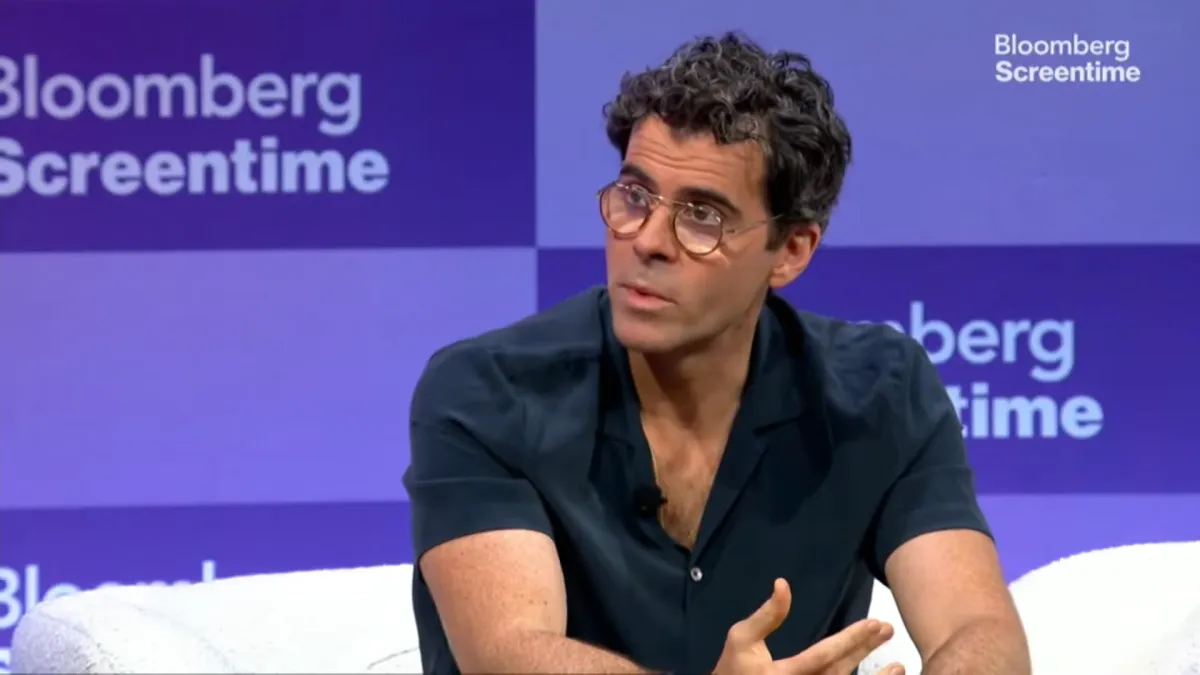
Instagram head Adam Mosseri admitted that he had previously been opposed to long-form video on the platform, noting that shorter content like Reels tends to drive higher engagement through shares and direct messages. Despite this, the platform is now embracing a dual-format approach. The goal is to ensure that when fans want to engage more deeply with a creator's work, they can do so without leaving the Instagram ecosystem. This shift is intended to make short-form and long-form content symbiotic rather than competitive within the same app.
The end of the IGTV era
This move represents a fundamental departure from the platform's previous attempt at long-form video, known as IGTV. While IGTV was eventually scrapped, the current 'Features' initiative is designed to be more integrated with the existing user experience, specifically through the use of Reels as discovery tools for longer content.
How will the new 'Features' and 'Clips as Reels' work?
The new update introduces 'Features,' which are video uploads capable of reaching a 90-minute runtime, and a companion tool called 'Clips as Reels.' This integration is designed to solve the discovery problem often associated with long-form video on mobile-first platforms. Instead of long videos sitting isolated in a feed, creators can use 'Clips as Reels' to take highlights from their long-form content and post them as standard Reels. These short clips then act as a funnel, providing a direct link for viewers to watch the full-length video.
The rollout includes several technical improvements to enhance the viewing experience across different devices:
- Cross-platform viewing: Viewers can save longer videos to watch them via the Instagram app on their televisions.
- Discovery hubs: The platform is developing a dedicated hub on creator profiles for episodic Reels, similar to TikTok’s playlist functionality.
- Live improvements: Instagram is also working on better discovery features for Live video to increase real-time engagement.
Currently, these features are undergoing testing in Brazil, with a limited test expansion planned for the United States. The objective is to provide a seamless transition between the quick consumption of Reels and the immersive experience of 90-minute 'Features.'
What is the impact of this change on the creator economy?
The primary driver behind this strategic shift is the pursuit of more robust monetization opportunities for creators. In the current creator economy, YouTube remains the gold standard for direct revenue due to its straightforward ad-sharing model. According to the platform, YouTube paid out more than $100 billion to creators, artists, and media companies over the previous four years. This is largely driven by the YouTube Partner Program, which allows creators to retain 55% of the ad revenue generated from their videos.
In contrast, Instagram has struggled to replicate this level of direct, per-view compensation. While Meta offers tools such as subscriptions, much of the revenue on Instagram is currently driven by brand partnerships rather than platform payouts. Adam Mosseri explained that while Instagram has a small performance-based program, the platform currently spends more on these incentives than it earns back, making it difficult to scale the program without a more sustainable model.
The monetization gap between platforms
Short-form content is inherently more difficult to monetize via traditional advertising because there is less space to insert ads without disrupting the user experience. By moving into the 90-minute space, Instagram opens the door to the types of mid-roll and pre-roll advertising models that have made long-form video so lucrative on YouTube. If Meta successfully implements an ad-revenue sharing model for 'Features,' it could fundamentally change how creators view Instagram as a primary income source.
How does Instagram compare to YouTube in monetization?
The competition between Instagram and YouTube is essentially a battle between brand-driven revenue and platform-driven revenue. For many creators, Instagram currently serves as a promotional tool to build a brand and drive traffic elsewhere, whereas YouTube serves as the primary bank account. The introduction of long-form content is Instagram's attempt to capture a larger slice of the creator's total earnings.
| Feature | Instagram (Current/Testing) | YouTube (Established) |
|---|---|---|
| Primary Video Format | Short-form (Reels) | Long-form & Short-form (Shorts) |
| Monetization Model | Brand deals, Subscriptions, limited performance pay | Ad-revenue sharing (55% to creator) |
| Max Video Length | 90 minutes (via 'Features') | Up to 12 hours |
| Primary Revenue Driver | Brand partnerships | Platform ad revenue |
A Meta spokesperson noted that while it is too early to share a definitive long-term monetization model, the company is actively exploring ways for creators to earn from brands, fans, and the platform itself. This includes investigating more significant performance-based incentives to compete with the established YouTube Partner Program.
FAQ: Instagram long-form video
What are Instagram 'Features'?
'Features' are a new type of video upload being tested by Instagram that allows creators to share content up to 90 minutes long. This is a departure from the platform's previous focus on short-form content and is intended to provide a home for deeper, long-form storytelling.
How do Reels relate to long-form videos?
Instagram is testing 'Clips as Reels,' a feature that allows creators to turn segments of their long-form 'Features' into short Reels. These Reels serve as promotional tools that include a link, allowing viewers to easily jump from the short clip to the full 90-minute video.
Is Instagram going to pay creators for long videos?
Meta is currently exploring various monetization models, including performance-based incentives. While a definitive ad-revenue sharing model similar to YouTube has not been officially announced, the company is investigating ways for creators to earn money directly from Instagram, alongside brands and fans.
Where can I use the new long-form features?
The new features are currently in a testing phase. They are being rolled out in Brazil first, with a small-scale test planned for the United States. Once testing is complete, they are expected to become more widely available to the global creator community.
Can I watch long Instagram videos on my TV?
Yes, one of the key components of the new update is the ability to save long-form videos and watch them through the Instagram app on a television. This is part of Instagram's effort to support different viewing formats beyond just mobile devices.
Key takeaways
- Instagram is testing 90-minute long-form videos called 'Features' to compete with YouTube.
- The 'Clips as Reels' tool will allow short clips to act as discovery funnels for longer content.
- Meta is exploring new performance-based monetization to move beyond brand-only revenue.
- The feature rollout begins in Brazil before expanding to a limited test in the U.S.
The future of the creator ecosystem
Instagram's pivot toward long-form content represents a calculated risk to transform the platform from a discovery engine into a full-scale content destination. By integrating short-form Reels with 90-minute 'Features,' Meta is attempting to create a closed-loop ecosystem that keeps users engaged for longer periods. The success of this initiative will ultimately depend on whether Meta can build a monetization structure that rivals the reliability of the YouTube Partner Program. If they succeed, the boundary between social media and traditional video platforms will continue to blur, offering creators a more versatile toolkit for digital storytelling.