
Why did Intel seek an FCC waiver for its robotic vehicles?
Intel requested a waiver from the Federal Communications Commission (FCC) to preemptively address legal uncertainty regarding the use of foreign-made robotic equipment in its fabrication plants. The company stated that it sought relief "out of an abundance of caution" because it remained unclear whether its specific automated guided vehicles (AGVs) even fell under the scope of the existing FCC ban on foreign-made robots.
The core of the issue lies in the "fuzzy" nature of the current regulatory landscape. While the FCC's primary focus is on banning new models of mobile robots—such as humanoid robots and robot vacuums—the rules appear to restrict significant modifications to devices that were previously authorized for sale in the United States. This creates a loophole where maintaining or updating existing equipment could inadvertently violate federal law.
To mitigate this risk, Intel's waiver request emphasized the necessity of being able to perform hardware, software, and firmware updates. Without these permitted changes, the company argued that it could not ensure the continued operation and maintenance of the vehicles, which could lead to catastrophic delays in semiconductor production. The FCC responded quickly, granting the waiver on October 22, 2026, just six days after Intel's initial filing on October 16.
What role do these foreign-made robots play in chip production?
The robotic vehicles in question are automated guided vehicles that operate along predefined paths or tracks to facilitate the movement of materials within warehouses and factory environments. According to Intel, these machines are "critical to its domestic semiconductor manufacturing operations." They serve as the logistical backbone of the fab, ensuring that sensitive components and materials are moved precisely and efficiently between different stages of the manufacturing process.
While the specific models used by Intel are protected in a confidential appendix to the FCC, industry data suggests a heavy reliance on Japanese technology. Companies such as Murata Machinery and Daifuku Co. are prominent manufacturers of the type of automated guided vehicles required for such high-precision environments. These machines often require human operator oversight to manage complex tasks within the factory floor.
The logistical necessity of automated guided vehicles
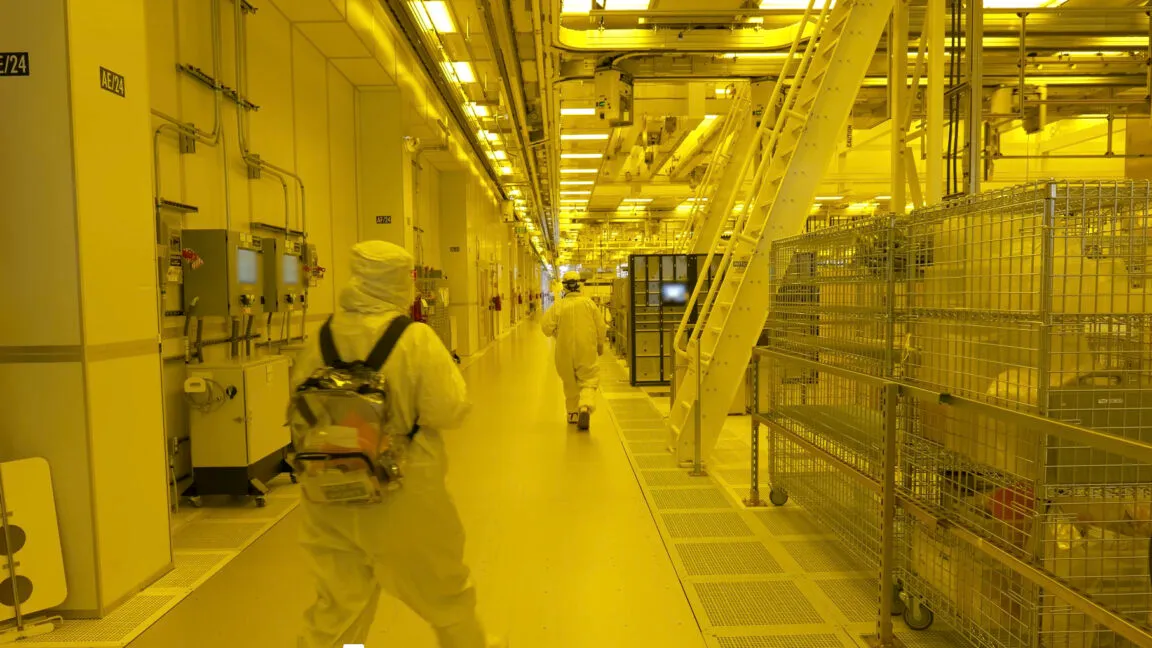
In a modern semiconductor fabrication plant, such as Intel's Fab 52 in Chandler, Arizona, the movement of materials must be seamless. Any disruption in the logistics chain can lead to immense financial losses and delays in the global supply of chips. Because these robots are integrated into the very architecture of the manufacturing workflow, replacing them is not a simple matter of purchasing new units from a different vendor.
How does the FCC ban affect the broader US robotics industry?
The FCC's restrictions on foreign-made robots have created significant volatility across the US robotics sector, particularly because China remains the world's primary supplier of both robotic hardware and essential components. While the ban aims to bolster domestic production and reduce reliance on foreign technology, it has also forced many US-based distributors to fundamentally alter their business models.
One notable consequence is the forced pivot of domestic distributors. For instance, some US distributors have moved away from importing Chinese humanoid robots and have instead focused on establishing their own domestic manufacturing facilities. This shift reflects a growing trend of "onshoring" robotics, though the transition is fraught with economic and logistical hurdles.
However, analysts warn that these protectionist measures could lead to unintended consequences. The International Data Corporation (IDC) has provided a sobering outlook on the potential economic impact of these regulations. According to an IDC report, the FCC rule could result in a 58 percent reduction in US revenue from the deployment of humanoid robots by the year 2030, compared to what was expected prior to the implementation of these restrictions.
What is the political context behind Intel's regulatory relief?
The speed with which the FCC granted Intel's waiver is widely viewed as a reflection of the company's strategic importance to US national interests. Intel is a central figure in the Trump administration's efforts to reshore semiconductor manufacturing to American soil, a move designed to secure the domestic supply chain against geopolitical instability.
The relationship between the US government and Intel is deeply integrated. The government has already demonstrated its commitment to the company's stability by taking an $8.9 billion equity stake in the chipmaker. Consequently, ensuring that Intel's manufacturing capabilities remain unhindered by regulatory technicalities is a high priority for federal policymakers.
This intersection of industrial policy and national security creates a complex environment for tech companies. While the government seeks to restrict foreign influence in critical infrastructure, it must simultaneously ensure that the domestic champions it is supporting have access to the most efficient and reliable tools available, even if those tools are currently of foreign origin.
Frequently asked questions
What specific robots did Intel get a waiver for?
Intel received permission to continue using foreign-made automated guided vehicles (AGVs) that operate on tracks or predefined paths. These robots are used to move essential materials and items throughout Intel's semiconductor manufacturing facilities, such as the Fab 52 facility in Arizona, to maintain production continuity.
Why can't Intel just use US-made robots?
Intel has stated that there are currently no US-made alternatives that meet the specific technical and operational requirements of its semiconductor manufacturing processes. The precision and reliability required for chip fabrication necessitate specialized equipment that domestic manufacturers do not yet provide at the required scale or specification.
How long is the FCC waiver valid for?
The FCC order published on October 22, 2026, grants Intel permission to use these specific foreign-made robotic vehicles for a period of one year. This timeframe provides the company with a buffer to manage its operations while the regulatory landscape for robotics continues to evolve.
What is the impact of the FCC ban on humanoid robots?
The ban primarily targets new models of mobile robots, including humanoid robots and robot vacuums. Market analysts at the IDC suggest that these restrictions could significantly stifle the US robotics market, potentially reducing projected revenue from humanoid robot deployment by as much as 58 percent by 2030.
Does the ban allow for the import of older robots?
Yes, the FCC rules generally allow for the import of robotic models that were previously approved for sale in the United States. However, the regulations create complications regarding "major modifications" to these authorized devices, which is why Intel sought a waiver to allow for essential software and hardware updates.
Key takeaways
- Intel secured a one-year FCC waiver to continue using foreign-made automated guided vehicles in its US fabs.
- The waiver was requested to prevent production disruptions caused by regulatory uncertainty regarding robot maintenance.
- Intel claims no domestic US-made alternatives currently meet its specific manufacturing requirements.
- The FCC rule may reduce US humanoid robot deployment revenue by 58 percent by 2030, according to IDC.
- The US government holds an $8.9 billion equity stake in Intel, underscoring its strategic importance.
Conclusion
The Intel FCC robot waiver highlights the delicate balance between national security interests and the practical realities of globalized high-tech manufacturing. While the US government seeks to reduce reliance on foreign technology through strict FCC regulations, the immediate needs of the semiconductor industry require continued access to specialized Japanese and international robotics. The potential for significant revenue losses in the domestic robotics market, as predicted by the IDC, suggests that the path toward total technological autonomy will be long and economically complex. For now, Intel's ability to maintain its critical fabrication infrastructure remains protected by this temporary regulatory reprieve.