
What is OpenAI dots and how does it function?
OpenAI dots is a proactive personal assistant that operates in the background of a user's digital life, even without direct prompting. Unlike traditional chatbots that wait for a user query, dots is designed to be an 'entity' that maintains a continuous context of a user's needs. It is currently available through ChatGPT desktop and mobile applications for subscribers on the Pro tier or higher, with monthly costs starting at $100.
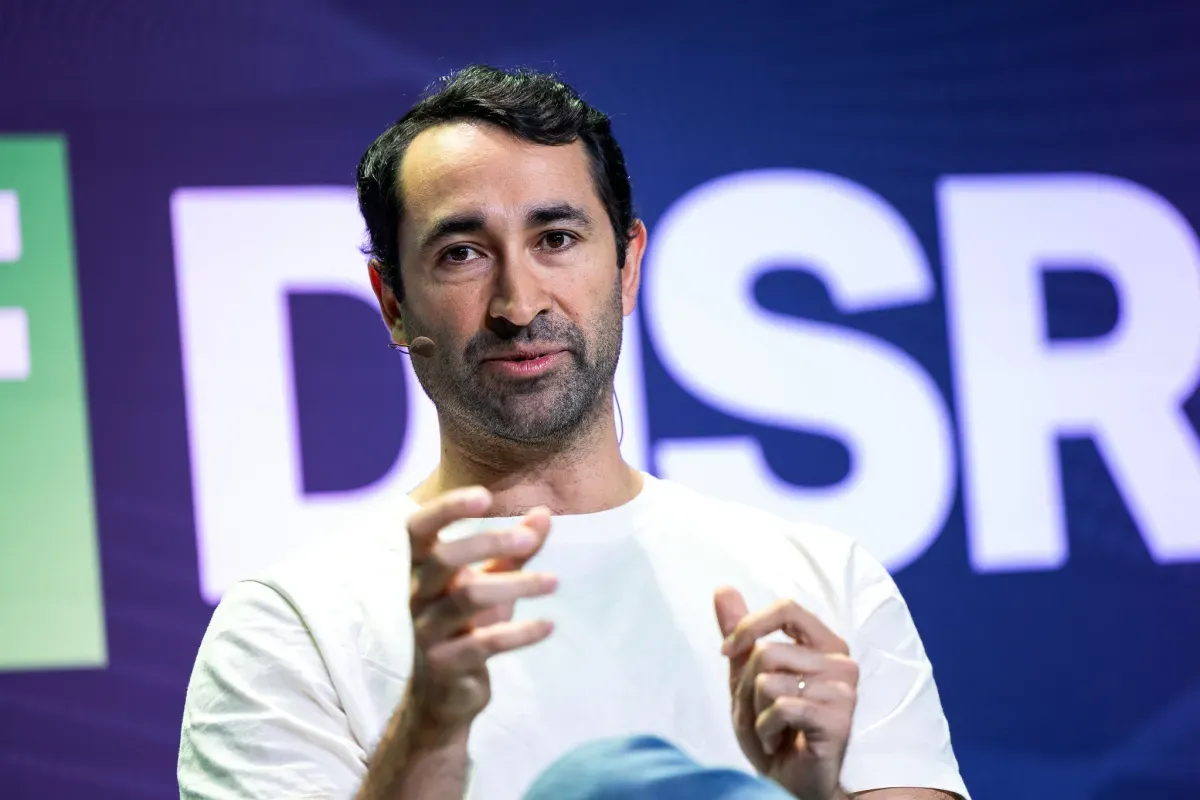
The assistant functions by connecting to a wide array of personal and professional tools, including email, calendars, and local computer files. Once these connections are established, the agent attempts to anticipate needs rather than simply responding to commands. Alexander Embiricos, head of OpenAI’s enterprise product team, describes the goal as creating an intuitive experience where the AI 'thinks about you' to provide preemptive help.
The shift from reactive to proactive AI
The core differentiator for dots is its ability to perform what OpenAI calls 'proactive research.' Instead of waiting for a user to identify a problem, the agent periodically assesses its existing knowledge and the data it has access to, then proposes ways it could be more helpful. This represents a significant increase in token usage and computational demand compared to standard chat interactions, as the model is effectively 'always on.'
How did OpenAI transition from coding tools to personal assistants?
The development of dots follows a technical lineage that began with OpenAI's agentic coding tools, such as the Codex app released earlier this year. While the coding tools provided much of the underlying functional capability, they required significant human intervention and 'hand-holding' to be effective. OpenAI has essentially repackaged these high-level agentic capabilities into a more accessible, user-friendly interface.
This evolution is part of a broader trend in the AI industry toward 'convergent evolution,' where different companies are moving toward creating single, persistent entities rather than a fragmented series of specialized chat sessions. By framing the AI as a single, continuous conversation, OpenAI aims to make the technology feel more natural and less like a tool that must be manually operated for every task.
The inspiration behind the name
The name 'dots' is a deliberate reference to the negative space found within the OpenAI logo. According to Embiricos, the naming choice was intended to suggest a product that is ubiquitous and integrated seamlessly into the background of daily life, much like the small, essential elements of a larger design.
What are the privacy implications of a proactive AI agent?
The integration of dots into a user's personal life creates a significant tension between the utility of the agent and the amount of sensitive data exposed to OpenAI. For an agent to be truly proactive, it requires deep access to personal communications and files. This level of access has raised concerns similar to those faced by Meta’s 'Muse' assistant, particularly regarding how much personal profiling is conducted to improve service or fuel broader corporate interests.
OpenAI addresses these concerns by offering the same privacy controls available in ChatGPT, including the ability for users to opt out of model training. Users can also manage which specific resources the agent is permitted to access on their computers. However, critics note that these controls are currently not granular enough for all users, citing instances where the app has refused to accept certain restricted access modes, such as read-only access to cloud drives.
Addressing the 'permission fatigue' problem
During its initial launch phase, dots faced criticism for being overly conservative with its defaults. The agent would frequently ask for permission before taking actions, which some users found intrusive or inefficient. Embiricos acknowledged this feedback, noting that the team initially prioritized cautious behavior but recognizes the need to develop much more granular controls to balance autonomy with user trust.
Can AI agents scale within human-centric business environments?
A major hurdle for the widespread adoption of AI agents is the question of social and economic scalability. While an agent might successfully navigate a digital task like booking a restaurant, the real world is built on human-to-human interaction. Businesses and individuals are often not equipped—or willing—to interact with automated agents. Embiricos himself noted that he maintains a human assistant because corporate partners still require person-to-person engagement.
There is also the looming question of how agents will interact with global financial and digital infrastructure. If agents are to become truly autonomous, they will eventually need the ability to conduct transactions. OpenAI is reportedly engaging in discussions with payment processors to address this, though giving an AI assistant access to financial accounts remains a significant barrier to consumer trust.
The future of agentic economic activity
The transition from an AI that merely suggests information to an AI that can execute payments would represent a massive shift in the digital economy. While OpenAI is not yet shipping these capabilities at high speed, the company is working to ensure that when they do, they are doing so in close collaboration with the existing ecosystem of banks and payment networks to prevent systemic friction.
FAQ: OpenAI dots
How much does the OpenAI dots subscription cost?
Dots is available to users on the ChatGPT Pro tier or higher. The subscription plans for these levels start at $100 per month, reflecting the increased computational costs associated with a proactive, always-on agentic model.
Is my data used to train OpenAI's models?
Users have the option to turn off model training, which prevents OpenAI from using their specific conversations to improve its AI systems. This provides a layer of privacy for those who do not want their data used for general model development.
Can dots manage my professional schedule?
Yes, once connected to your calendar and email, dots can identify upcoming deadlines and flag potential scheduling conflicts. While early versions may have timing issues, the goal is to provide proactive notifications before conflicts occur.
Does dots require full access to my computer?
Users can control which resources the agent accesses within their computer. However, the current iteration of the tool has limitations, such as refusing to operate with only read-only access to certain cloud drives, requiring more granular controls in the future.
Will dots be able to make purchases for me?
OpenAI is currently in discussions with payment processors to explore this possibility. While the ability to spend money through an AI assistant is a potential future feature, it has not been fully implemented due to the complexities of financial security and consumer trust.
Key takeaways
- OpenAI dots is a proactive personal assistant costing at least $100 per month for Pro users.
- The tool evolves from previous coding models like Codex into an autonomous, always-on entity.
- Proactive research allows the agent to propose helpful actions without direct user prompting.
- Privacy controls allow users to opt out of model training and manage data access.
- Future development includes potential integration with payment processors for autonomous transactions.
Conclusion
The launch of OpenAI dots represents a pivotal shift in the AI landscape, moving the industry from reactive chat interfaces to proactive, agentic assistants. By leveraging the technical foundations of its previous coding tools, OpenAI is attempting to create a ubiquitous digital entity that anticipates user needs. However, the success of this model depends on solving critical challenges regarding data privacy, granular user control, and the ability of autonomous agents to integrate into a world built on human-to-human commerce. As OpenAI explores partnerships with payment processors, the boundary between digital assistance and economic agency will continue to blur.