
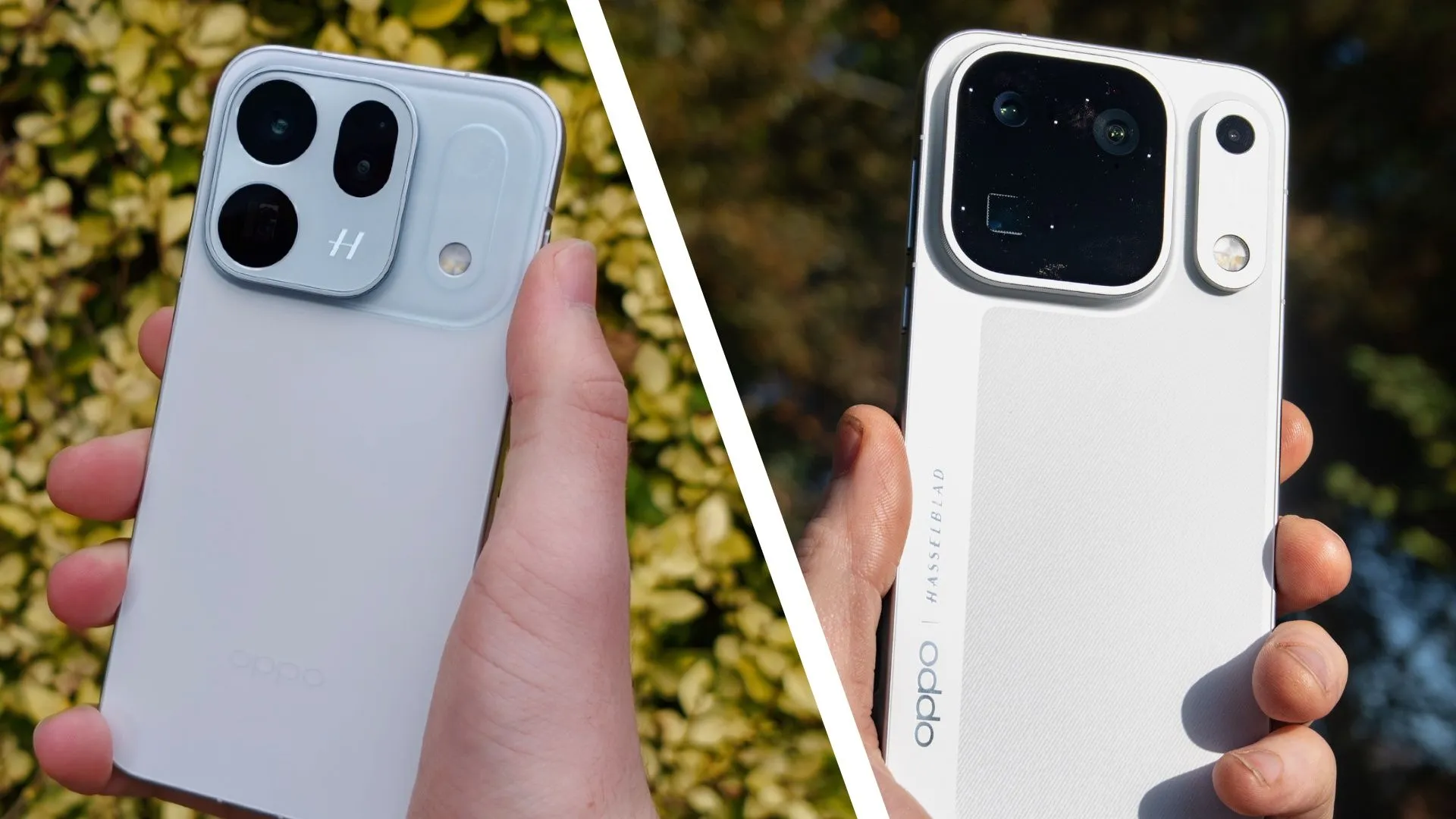
Why did Oppo change its flagship naming convention?
Oppo has moved away from the hierarchical structure used in the Find X9 series to create a more distinct separation between its current flagship offerings. In the previous generation, the lineup consisted of the Find X9, the Find X9 Pro, and the Find X9 Ultra. However, the new Find X10 series has skipped the 'Pro' designation entirely, opting instead for the Find X10 and the Find X10 Pro Max.
The primary driver behind this decision is to clearly signal the level of technological advancement to consumers. Jensen Jie, Smartphone Product Director at Oppo, explained during a recent roundtable that the company wants users to immediately understand the meaning behind a name change. By using 'Pro Max,' Oppo intends to communicate that the flagship device is not just a minor iterative update, but a significant step forward in terms of performance and capabilities compared to the previous year's Pro model.
The logic of product positioning
Positioning is central to Oppo's new approach. The company believes that a standard version is necessary because many consumers are more accustomed to the experience offered by a base-level flagship. By naming the top-tier model 'Pro Max,' they avoid the confusion that might arise if they simply called it a 'Pro' model, which might imply it is merely a slightly larger version of a standard Pro device. Instead, the 'Pro Max' label serves as a marker for a device that has been 'lifted remarkably' in competitiveness.
How does the Find X10 differ from the Find X9 Pro?
The Oppo Find X10 is designed to function as the spiritual and technical successor to the previous generation's high-end model, the Find X9 Pro. While it carries the 'standard' label in the current series, it has been engineered with several professional-grade capabilities that elevate it above the previous year's base models.
According to Oppo, the Find X10 has been empowered with features typically reserved for Pro-tier devices. This allows the company to maintain a price point that reflects its premium status while offering a familiar 'standard' experience. For instance, the Find X10 is priced at £1,099, which matches the launch price of the Find X9 Pro. This pricing strategy suggests that Oppo views the Find X10 not as a budget alternative, but as a high-performance device that brings 'Pro' features to a more accessible flagship tier.
What makes the Find X10 Pro Max a premium tier?
The Find X10 Pro Max is positioned as a massive upgrade over the predecessor, specifically targeting users who require the absolute highest specifications available in the current lineup. The 'Pro Max' designation is used to highlight specific hardware leaps that distinguish it from both the standard Find X10 and the older Find X9 Pro.
Key hardware differentiators for the Pro Max model include:
- Camera System: The device features a specialized three 200MP camera system, providing superior imaging capabilities compared to the standard model.
- Chipset: It is powered by the more advanced 2nm MediaTek Dimensity 9600 Pro chipset, offering higher efficiency and processing power.
- Battery Life: The Pro Max includes a larger battery capacity to support its high-performance components.
- Ultra-wide Optics: It utilizes a more powerful 200MP ultra-wide camera sensor.
By concentrating these high-end specifications into the Pro Max, Oppo creates a clear value proposition: the standard Find X10 provides a high-end experience, while the Pro Max provides a specialized, ultra-premium experience that sits just below the anticipated 'Ultra' tier.
Is there still room for an 'Ultra' model in the future?
While the current Find X10 series lacks an 'Ultra' model, the naming strategy suggests that this tier is not being abandoned, but rather reserved for a different level of hardware. Oppo's decision to use 'Pro Max' instead of 'Ultra' for the current flagship appears to be a tactical move to manage consumer expectations for future releases.
Industry expectations suggest that an Oppo Find X10 Ultra could arrive as early as 2027. If this occurs, the 'Ultra' designation would likely represent a tier even more advanced than the current Pro Max. This creates a tiered hierarchy where the Pro Max acts as a bridge. In this ecosystem, the Pro Max is better than a standard Pro would be, but it is not intended to compete with the extreme specifications of a true 'Ultra' device. This allows Oppo to expand its flagship range without diluting the prestige of the Ultra brand.
Comparing naming strategies across the industry
Oppo's approach is distinct from its competitors. While Apple uses 'Pro Max' to denote a larger version of its Pro model, Oppo is using it to denote a significant jump in capability over its standard model. To visualize this, one might imagine a scenario where a manufacturer like Samsung released a device that was significantly more powerful than its standard flagship but did not quite reach the 'Ultra' level; they might label it a 'Pro Max' to signal that specific leap in performance without disrupting the existing Ultra hierarchy.
Frequently asked questions
Why did Oppo remove the 'Pro' name from the Find X10 series?
Oppo removed the 'Pro' name to avoid confusion and to better communicate the hardware gap between models. The 'Pro Max' label is used to signal that the top-tier model is a significant upgrade over the previous generation's Pro, rather than just a standard iterative update.
How does the Find X10 compare to the Find X9 Pro?
The Find X10 is positioned as the successor to the Find X9 Pro. Although it is the 'standard' model in the new series, it includes professional-grade features and is priced at £1,099, matching the Find X9 Pro's original launch price.
What are the main hardware advantages of the Find X10 Pro Max?
The Find X10 Pro Max features a 2nm MediaTek Dimensity 9600 Pro chipset, a 200MP ultra-wide camera, a triple 200MP camera system, and a larger battery compared to the previous generation's Pro model.
Will Oppo release an Ultra model for the Find X10 series?
While not currently part of the Find X10 lineup, there is anticipation that an 'Ultra' model could arrive in 2027. The current 'Pro Max' is intended to sit between the standard model and a future Ultra device.
How much does the Oppo Find X10 cost?
The Oppo Find X10 is priced at £1,099. This represents a £200 increase over the standard Find X9, but aligns with the launch pricing of the previous generation's Pro model.
Key takeaways
- Oppo replaced the 'Pro' tier with a 'Pro Max' model to better signal significant hardware upgrades.
- The Find X10 is positioned as the successor to the Find X9 Pro, featuring professional-grade capabilities.
- The Find X10 Pro Max utilizes a 2nm MediaTek Dimensity 9600 Pro chipset and a 200MP camera system.
- Oppo's strategy aims to bridge the gap between standard flagships and future 'Ultra' models.
Conclusion
Oppo's shift in naming convention for the Find X10 series represents a strategic attempt to clarify product positioning in an increasingly crowded flagship market. By utilizing the 'Pro Max' designation, the company can highlight substantial hardware improvements—such as the 2nm chipset and advanced 200MP camera systems—without the ambiguity of traditional naming tiers. This approach allows the Find X10 to serve as a high-performance successor to previous Pro models, while maintaining a clear path for even more advanced 'Ultra' devices in the future. Ultimately, the strategy focuses on using nomenclature as a tool to communicate value and technological leaps directly to the consumer.