
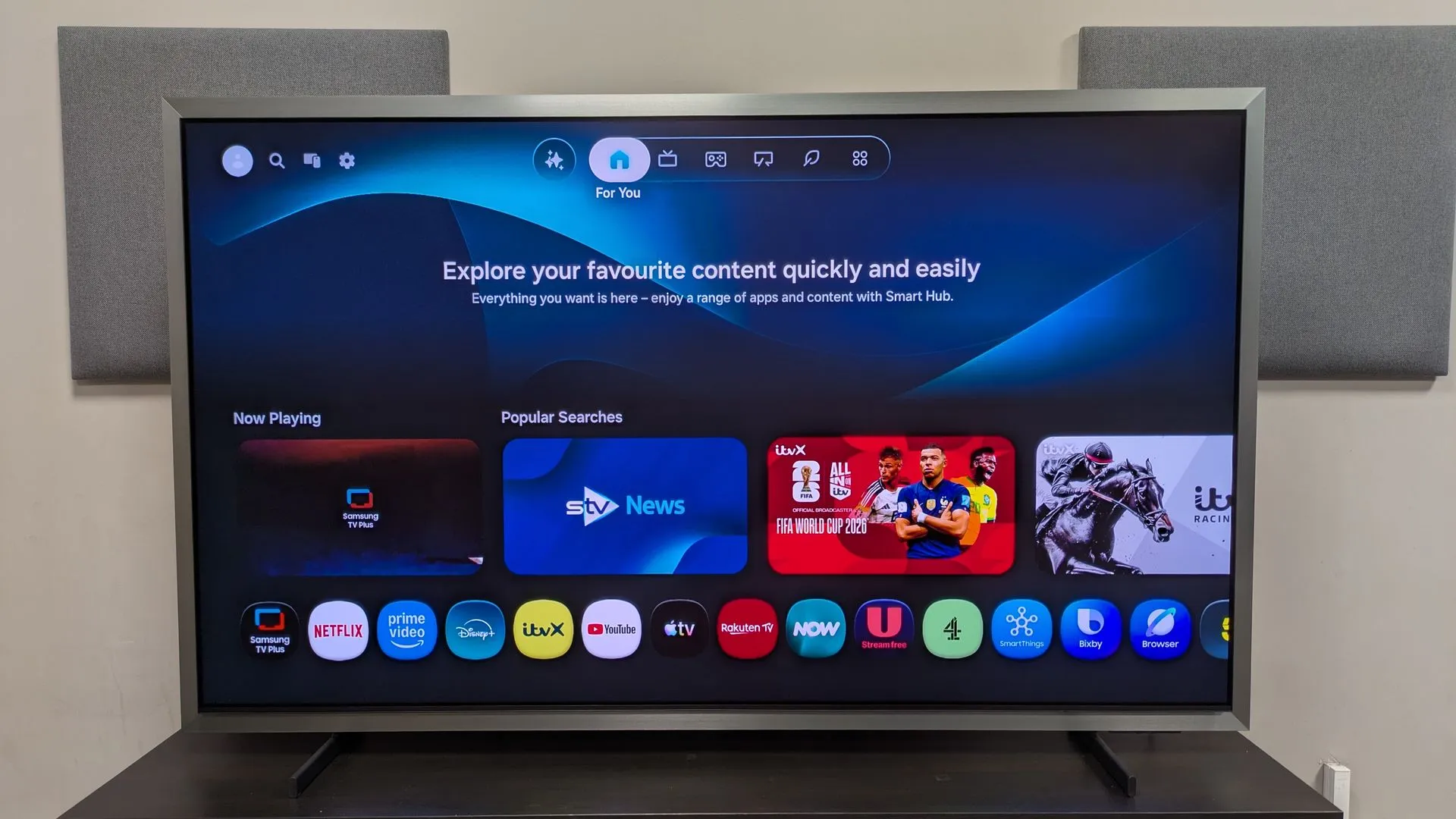
What are the specific privacy claims regarding Samsung smart TVs?
A researcher, identified on X as log4j, has published findings suggesting that Samsung smart TVs engage in highly specific data monitoring. The investigation was prompted by the appearance of increasingly targeted on-screen advertisements, leading to a deeper analysis of the television's data transmissions. The findings include markers for specific acoustic events, such as dog barking and baby crying, as well as data regarding the duration of camera streaming sessions.
Perhaps most concerning to users is the claim that the software can detect the presence of microphones in nearby devices. This capability suggests a level of environmental awareness that goes beyond simple television operation. However, a distinction must be made between the software identifying the existence of a hardware component and the actual unauthorized use of that component's input. At this stage, the evidence points toward environmental sensing rather than active, surreptitious recording for non-functional purposes.
The role of targeted advertising
The investigation began when the user noticed a correlation between their viewing habits and highly specific advertisements. This phenomenon often occurs when data collected by smart devices is used to build consumer profiles. While the presence of these markers is factual, the intent behind the data collection—whether it is for functional service improvement or purely for advertising revenue—remains a critical point of contention in the debate over Samsung smart TV privacy.
How do the Family Care and Pet Care features work?
The detection of baby cries and dog barks is linked to specific, previously advertised Samsung features known as Family Care and Pet Care. These systems were designed to function even when the television was in standby mode, using on-device AI to monitor the acoustic environment for specific distress signals. The intended utility was to send real-time alerts to a user's connected mobile device if a child or pet required attention.
Despite being marketed as a convenience, these features have faced significant technical and practical hurdles. Samsung has confirmed the discontinuation of these services approximately 18 months after their initial launch. The decision to end these features was driven by two primary factors:
- Low user engagement: The features did not see widespread adoption among the consumer base.
- Persistent false positives: The AI frequently misidentified sounds from on-screen media—such as a crying baby in a movie—as actual real-world events in the home.
While Samsung marketed these features, the controversy stems from a lack of transparency regarding how these acoustic events were reported back to Samsung's servers. Even if the features were intended for consumer benefit, the automated reporting of household sounds raises significant questions about data retention and the clarity of user consent.
Does Samsung secretly use microphones from other devices?
The claim that Samsung TVs can "borrow" microphones from soundbars or other connected accessories is a point of significant technical scrutiny. According to the findings published by the researcher, the TV appears to scan for the presence of microphones in nearby hardware. However, there is currently no evidence to suggest that the television is actively accessing or recording audio through these external microphones without permission.
There are several legitimate functional reasons why a smart TV would need to identify nearby microphones. For example, if a user launches a karaoke application or a video conferencing tool, the TV must know which audio input devices are available to facilitate the service. This process is more akin to Bluetooth device discovery than active eavesdropping. Identifying that a microphone exists is a necessary step for hardware interoperability, whereas accessing the audio stream is a separate, much more intrusive action.
Device discovery versus data access
It is vital to distinguish between the ability to detect hardware and the ability to exploit it. In the context of modern smart homes, devices are constantly communicating via protocols like Bluetooth or Wi-Fi to ensure seamless connectivity. If the mere detection of a peripheral were considered a privacy violation, almost all wireless communication standards would require significant legislative reform. The current concern lies in whether the software moves from detection to unauthorized data extraction.
What are the implications of region-specific neural networks?
Further technical analysis has suggested that Samsung TVs may load region-specific neural networks designed to monitor how users interact with specific applications, such as YouTube. These neural networks are likely used to process data locally on the device to improve user experience or target content, but the specific nature of what is being monitored remains under investigation.
The use of localized AI models adds a layer of complexity to the privacy discussion. Because these models operate on-device, it can be difficult for external auditors to determine exactly what data is being processed and what is being transmitted to the cloud. If these networks are being used to track granular app usage patterns to feed advertising engines, it reinforces the argument that the issue is one of transparency and policy rather than a "sinister" spying plot.
Why is the debate over smart TV data collection so intense?
The intensity of the debate surrounding Samsung smart TV privacy is fueled by a history of similar controversies involving other manufacturers, such as LG. Consumers have become increasingly wary of how much information their home appliances collect and how that information is monetized. The discussion is not just about one brand, but about the broader business model of "owning the glass," where hardware manufacturers act as data brokers for advertisers.
Regulatory environments vary significantly by region, which creates a fragmented landscape for consumer protection. In Europe, strict data protection laws provide a framework for how companies must handle personal information. In contrast, in markets like the United States, data protection has historically not been the primary legislative priority, leaving consumers more vulnerable to broad data collection practices. This discrepancy makes the technical findings of researchers even more critical, as they often serve as the first line of defense in identifying potential privacy overreach.
Frequently asked questions
Is Samsung spying on my home through my TV?
There is no evidence that Samsung is conducting a sinister spying operation. The reported "listening" is largely tied to discontinued features like Family Care and Pet Care, which were designed to detect specific sounds like baby cries for user alerts, though they were eventually removed due to performance issues.
Can my Samsung TV use my soundbar's microphone without me knowing?
Current evidence suggests the TV can detect the presence of microphones in nearby devices to enable features like karaoke or video calls. However, there is no proof that the TV is secretly accessing the audio stream from those external microphones without the user's knowledge or interaction.
Why did Samsung stop the Family Care feature?
Samsung discontinued the Family Care feature approximately 18 months after launch because of low usage rates and frequent errors. The AI often produced false positives, such as mistaking sounds from a television program for real-world crying in the house, making the feature unreliable.
How does my TV know what I am watching for ads?
Smart TVs often collect data on app usage and viewing habits to provide targeted advertising. This is a common practice in the industry, though the level of detail—such as tracking the duration of camera streaming—can vary and often raises privacy concerns regarding transparency.
Is smart TV data collection legal?
Data collection is generally legal as long as it complies with regional laws and the manufacturer's privacy policy. However, the transparency of these policies is often criticized, especially in regions with less stringent data protection regulations compared to the European Union.
Key takeaways
- Samsung's acoustic detection was primarily linked to the discontinued Family Care and Pet Care features.
- The Family Care feature was removed due to low usage and frequent false positives from on-screen audio.
- Evidence suggests the TV identifies nearby microphones for connectivity rather than accessing them for spying.
- The privacy debate centers on data transparency and the monetization of user habits by hardware manufacturers.
The evolving landscape of home privacy
The recent findings regarding Samsung smart TVs highlight a critical tension between functional innovation and consumer privacy. While the specific claims regarding "secret" listening appear to be rooted in known, albeit poorly executed, features, the underlying issue of data transparency remains unresolved. As smart TVs become more integrated with AI and external peripherals, the boundary between helpful automation and intrusive data collection will continue to blur. This necessitates a more robust global conversation regarding the legislative protections required to ensure that the "smart" home does not come at the cost of fundamental household privacy.




