Why does the Space Force need a new heavy-lift launch site?
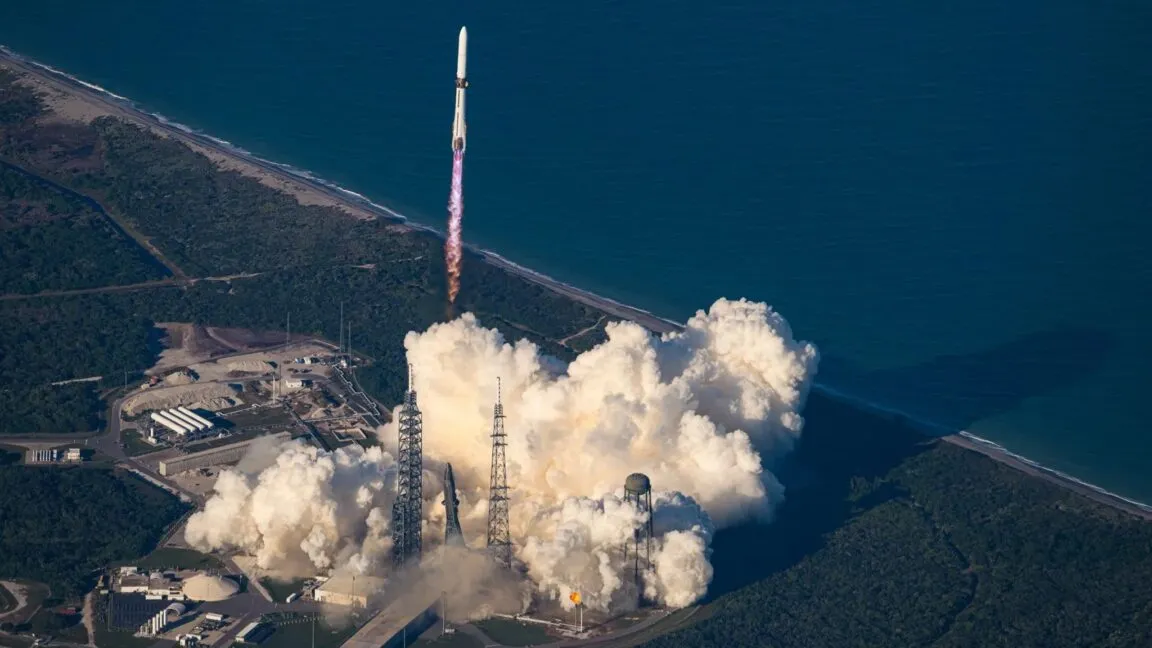
The primary driver for a new facility is the massive projected increase in orbital launch frequency. Currently, the United States relies heavily on two primary hubs: Cape Canaveral Space Force Station and Kennedy Space Center in Florida, along with Vandenberg Space Force Base in California. These locations have served as the backbone of American space access for nearly seven decades, but they are approaching capacity limits.
According to recent data, there were 175 orbital launch attempts conducted from these Florida and California sites last year. However, Space Force officials anticipate a much more crowded launch schedule in the near future. Projections indicate that established spaceports will need to support approximately 700 launches per year by 2036. Without additional infrastructure, the existing sites may struggle to meet this nearly fourfold increase in demand.
Beyond mere volume, the Space Force is prioritizing "geographic resiliency." Relying on two main coastal hubs creates a strategic vulnerability. A single natural disaster, such as a major hurricane in Florida, or a targeted military attack could effectively knock the nation's primary launch capabilities offline. A third, geographically distinct site would ensure that the military can maintain continuous access to space even if one of the major hubs is compromised.
What are the proposed timelines and challenges for development?
The Space Force has set an "aspirational" goal to have a new spaceport operational by 2030, though officials acknowledge the immense logistical hurdles involved. Lt. Gen. Philip Garrant, head of Space Systems Command, has described the 2030 target as a pragmatic necessity that remains difficult to achieve given the complexity of spaceport construction.
Building a launch site is significantly more complex than traditional civil engineering projects. The development process must account for several critical factors:
- Orbital Regimes: The site must be positioned to allow safe access to specific orbital paths required for military and commercial missions.
- Safety and Community: Much like an airport, a spaceport requires significant buffer zones. Officials must consider the impact on local populations and ensure safety protocols for residents living near launch trajectories.
- Access to Commodities: The infrastructure requires reliable access to specialized fuels, materials, and technical supplies.
The complexity of site acquisition
While the need is clear, the Pentagon has not yet determined the specific location or the method of land acquisition. Air Force Secretary Troy Meink first noted the search for a third base in May, following a congressionally mandated study that identified the requirement for a site capable of "heavy and super heavy launch capability." This study underscores that the new facility cannot simply be a small-scale site; it must be able to handle the next generation of massive launch vehicles.
How will the Space Force acquire the new launch infrastructure?
The Space Force is currently evaluating multiple models for acquiring and operating a new spaceport, ranging from entirely federal projects to private-sector partnerships. No single path has been chosen, as each presents distinct advantages and drawbacks regarding cost, control, and speed of deployment.
Lt. Gen. Garrant has indicated that the service is looking at several potential avenues:
- Public-Private Partnerships: Collaborating with commercial entities to share the costs and operational burdens of a new site.
- New Federal Installations: Building a dedicated facility owned and operated directly by the government.
- State Land: Working with state governments to utilize existing or newly designated state-owned territories.
- Leveraging Commercial Land: Leasing property from private companies, such as the large-scale spaceport being developed by SpaceX in southern Louisiana.
The Trump administration’s space transportation policy, released in August, has already provided a policy framework that encourages the construction of more launch and reentry sites for both military and commercial use. This policy support suggests that the government is leaning toward an ecosystem of diverse launch locations rather than a centralized model.
What existing launch sites are currently in use?
The United States currently maintains a tiered system of launch capabilities, though most heavy-lift capacity remains concentrated in two locations. Understanding the current landscape helps clarify where the new spaceport fits into the national architecture.
Current orbital and suborbital capabilities include:
The proposed new site is specifically intended to fill the gap for heavy and super-heavy lift capabilities. While NASA’s Wallops Flight Facility in Virginia serves a vital role, it is currently optimized for smaller satellite launches and suborbital testing, rather than the massive payloads required for modern military and commercial heavy-lift missions.
Frequently asked questions
Why is the Space Force looking for a third launch site?
The Space Force needs a third site to manage the massive increase in launch frequency, which is expected to reach 700 launches per year by 2036. Additionally, a third site provides geographic resiliency, ensuring launch capabilities remain active if Florida or California are incapacitated by disasters or attacks.
What kind of rockets will the new spaceport support?
The new facility is intended to support heavy and super-heavy lift launch capabilities. This distinguishes it from existing sites like Wallops, which focus on small-to-medium rockets, and ensures the military can deploy the largest and most advanced launch vehicles currently in development.
Can the Space Force use private spaceports?
Yes, the Space Force is considering leasing property from privately owned launch bases as a potential option. Lt. Gen. Philip Garrant confirmed that leveraging commercial land and forming public-private partnerships are among the possibilities currently under discussion by the Space Systems Command.
How soon will the new spaceport be ready?
The Space Force has set an aspirational goal to have the new capability operational by 2030. However, officials have noted that this is a complex demand involving land acquisition, safety considerations, and infrastructure development that may challenge this four-year timeline.
What role does the government play in this expansion?
The federal government is driving the expansion through congressionally mandated studies and national space transportation policies. While the Space Force may use state or private land, the strategic direction and funding for these critical infrastructure upgrades are directed by the Pentagon and supported by federal policy.
Key takeaways
- The Space Force aims to establish a new heavy-lift spaceport by 2030 to meet rising demand.
- Launch frequency is projected to grow from 175 annual attempts to 700 by 2036.
- A third site is essential for geographic resiliency against natural disasters or military threats.
- Acquisition options include federal installations, state land, and public-private partnerships.
The path to 2030
The push for a new heavy-lift spaceport represents a critical pivot in American space strategy. As the transition from a few specialized launch sites to a high-frequency orbital economy accelerates, the Pentagon must move from aspirational timelines to concrete land acquisition and construction. The success of this initiative will depend on whether the Space Force can successfully navigate the complexities of local partnerships and the logistical demands of heavy-lift infrastructure. Ultimately, the goal is to ensure that the United States maintains a robust, resilient, and scalable gateway to space through the next decade and beyond.
| Facility Name | Ownership/Type | Primary Capability |
|---|---|---|
| Cape Canaveral / Kennedy Space Center | Federal (Space Force/NASA) | Heavy and Super Heavy Lift |
| Vandenberg Space Force Base | Federal (Space Force) | Heavy Lift / Polar Orbit |
| Wallops Flight Facility | Federal (NASA) | Suborbital, Small, and Medium-class |
| Pacific Spaceport Complex | State (Alaska) | Small-class rockets |