
The ergonomic argument against touch interfaces
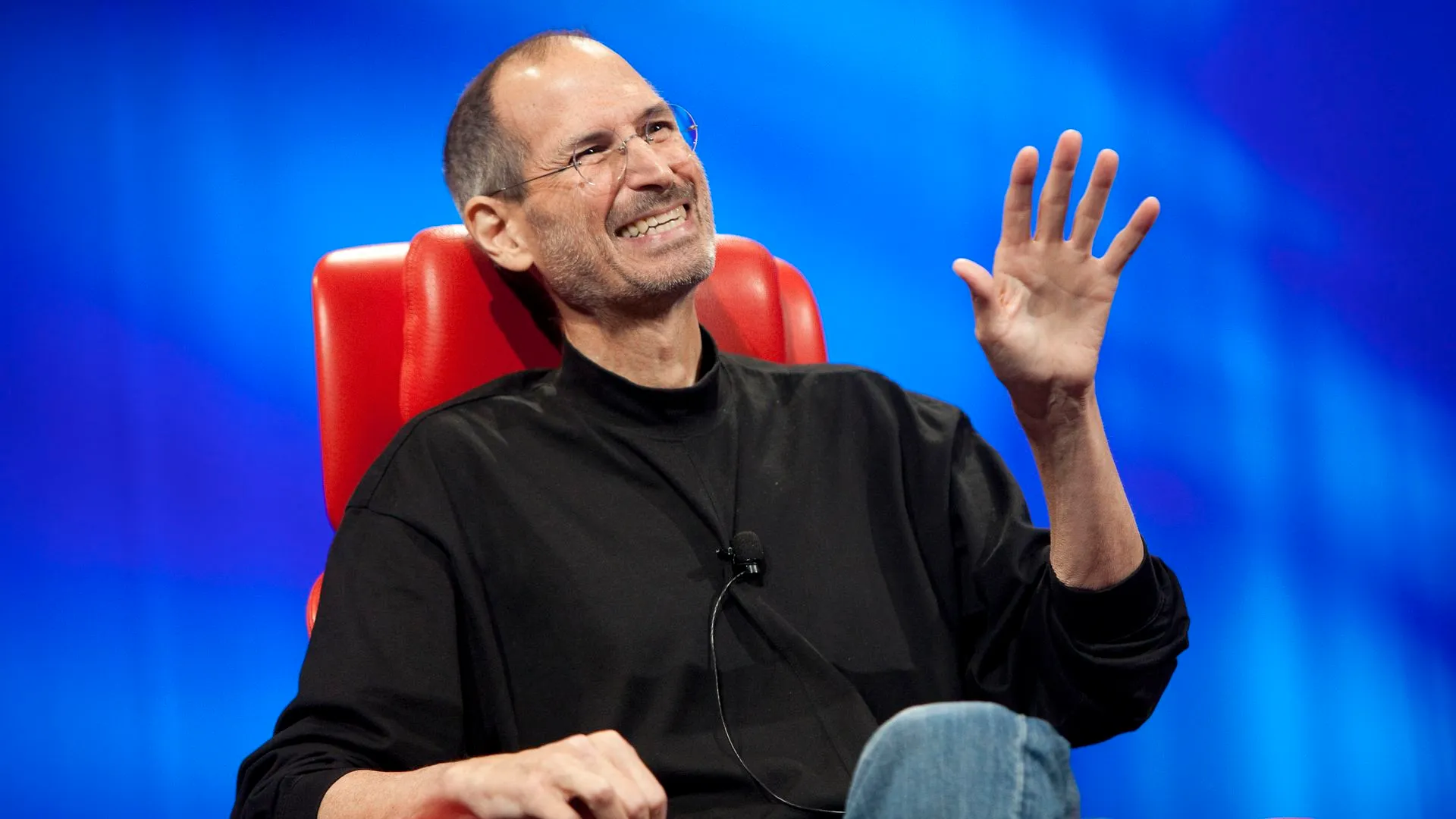
Steve Jobs argued that prolonged touchscreen use leads to physical discomfort and a significant loss of input precision. During the 'Back to the Mac' media event at Apple's headquarters, while introducing Mac OS X 10.7 Lion, Jobs provided a blunt assessment of the technology's limitations. He famously stated, "After an extended period of time, your arm wants to fall off," highlighting the fatigue associated with holding one's arm up to interact with a vertical display.
For Jobs, the issue was not merely about comfort but about the fundamental nature of productivity. He viewed the integration of touchscreens into laptops as a gimmick that compromised the efficiency of the user experience. Instead of adopting touch on the display, Apple directed its engineering efforts toward perfecting multi-touch gestures via the trackpad and mouse. This approach allowed for high-precision navigation without the physical strain of constant arm elevation.
Apple's resistance amidst industry shifts
Apple's refusal to adopt touchscreens was a deliberate move against a rising tide of competitors. At the time of the Mac OS X Lion launch, Microsoft was aggressively pushing touchscreen computing as the next major innovation in human-machine interfacing. The market was seeing the emergence of specialized hardware, such as the HP Touchsmart family, which aimed to redefine how users interacted with desktop and mobile environments.
Despite this immense industry pressure, Jobs maintained a firm stance. While Windows-based manufacturers were successfully pivoting toward 2-in-1 devices and hybrid touchscreen models, Apple remained committed to the traditional laptop form factor. This period was marked by a clear divergence in design philosophy: one side embraced the versatility of touch, while Apple prioritized the established precision of pointer-based input and trackpad gestures.
Experimental bridges and the evolution of input
The transition away from traditional input has not been entirely linear for Apple. Although the company stood firm on its core philosophy for several years, it did eventually experiment with hybrid technologies to bridge the gap between touch and traditional controls. One notable attempt was the introduction of the Touch Bar, a capacitive touch strip integrated into the keyboard area of MacBook Pro models.
The Touch Bar was intended to provide a tactile, touch-based way to interact with software without requiring the user to reach for the screen. However, this experiment was eventually phased out as Apple returned to more conventional, highly optimized physical function keys and trackpad-centric workflows. This era demonstrated that even as Apple resisted full-screen touch, the company was searching for ways to incorporate touch-based convenience into its ecosystem without sacrificing ergonomics.
The potential end of the touchscreen era at Apple
Rumors suggest that the long-standing Apple stance on touchscreens may finally be reaching a breaking point. While the company has spent years avoiding touch-enabled laptops, current industry reports indicate a shift in strategy. There is growing expectation that Apple will introduce a new MacBook Pro featuring a touchscreen interface, potentially paired with advanced OLED panel technology.
If these rumors materialize, it would represent a massive pivot from the philosophy established by Jobs during the Mac OS X Lion era. The shift toward OLED-based touchscreens would align Apple with the broader market trends seen in the Windows ecosystem, where 2-in-1 devices have become a standard. Whether this move is driven by consumer demand for versatility or the technological maturation of OLED displays remains to be seen, but it would mark the conclusion of a decades-long debate regarding the utility of touch in professional computing.
Frequently Asked Questions
Why did Steve Jobs dislike touchscreens on laptops?
Steve Jobs believed that using touchscreens for extended periods caused physical fatigue and arm strain. He argued that the technology lacked the precision required for professional computing tasks. Instead, he preferred focusing on multi-touch trackpads, which offered better control without the ergonomic drawbacks of lifting one's arm to a screen.
What was the 'Back to the Mac' event?
The 'Back to the Mac' event was a media presentation held at Apple's corporate headquarters during the introduction of Mac OS X 10.7 Lion. It was a significant moment where Jobs addressed the future of the Mac platform and defended Apple's design choices against the growing trend of touchscreen-based computing.
Has Apple ever used touch technology in its laptops?
Yes, Apple experimented with touch technology through the Touch Bar, a capacitive touch strip located above the keyboard on certain MacBook Pro models. However, this was a specialized interface rather than a full-screen touchscreen. The Touch Bar was eventually phased out in favor of more traditional input methods.
Is Apple planning to release a touchscreen MacBook?
According to recent rumors, Apple is expected to break its long-standing refusal to include touchscreens in its laptops. There is speculation that a new MacBook Pro could feature a touchscreen interface integrated with an OLED panel, representing a major shift in the company's hardware philosophy.
The shifting landscape of computing interfaces
The tension between ergonomic precision and touch-based versatility has defined the laptop market for years. Steve Jobs' skepticism of touchscreens was rooted in a desire to protect the user from fatigue and inefficiency, a stance that kept Apple distinct from the burgeoning Windows 2-in-1 market. However, as display technology like OLED matures and consumer habits evolve, the boundary between traditional and touch interfaces is blurring. Apple's potential pivot suggests that even the most rigid design philosophies must eventually adapt to the technological and market realities of a changing digital landscape.




