How will the Tesla FSD Turo collaboration work in practice?
Turo is implementing a technical integration with Tesla to allow hosts to advertise their vehicles as having Full Self-Driving (Supervised) capabilities. To ensure accuracy, Turo is working directly with Tesla to access the automaker's API, which allows the platform to verify which specific cars have the FSD software enabled. This removes the guesswork for renters who are specifically seeking out advanced driver assistance technology.
The collaboration includes specific incentives for car owners on the platform. Eligible Turo hosts who rent out their FSD-equipped Teslas will receive a free one-month trial of the software. This is designed to encourage more owners to activate the feature on their vehicles, thereby increasing the supply of autonomous-capable cars available on the marketplace.
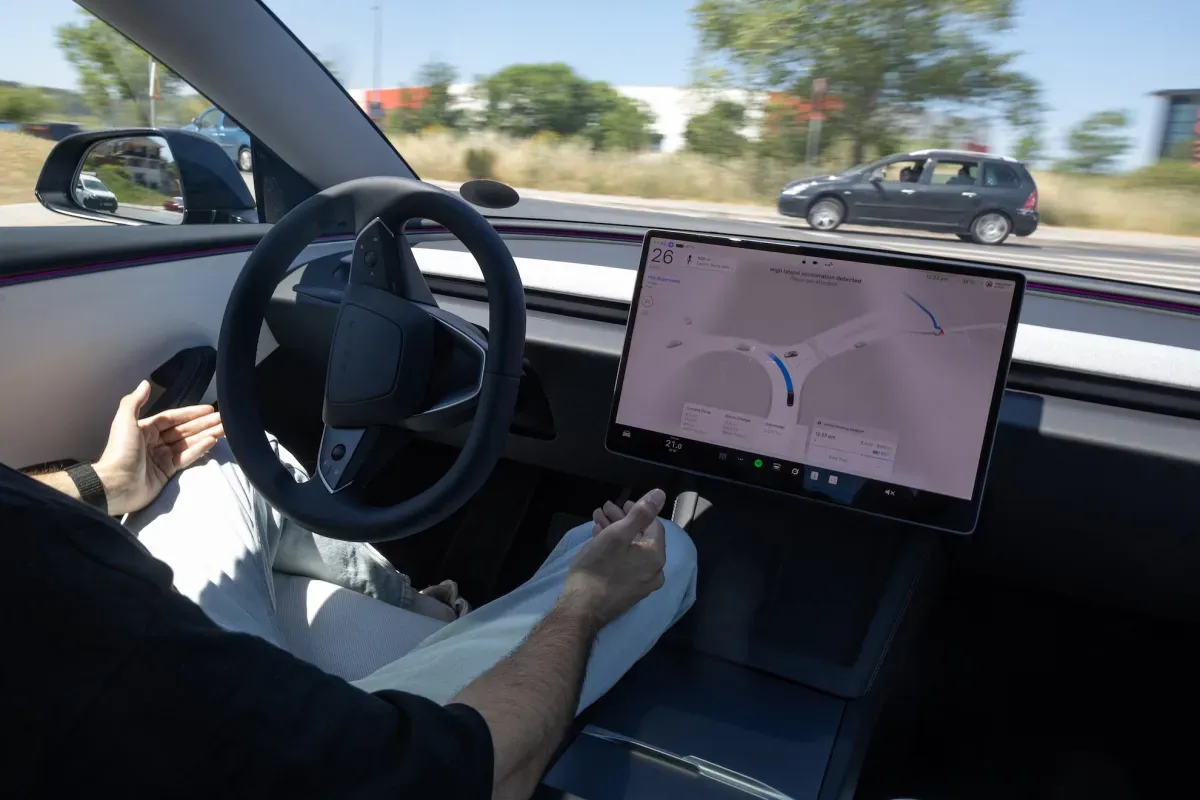
For the end consumer, the experience is designed to be informative and cautious. When a user rents an FSD-enabled Tesla, the Turo app will display cautionary language emphasizing that the driver must monitor the software and remain ready to take control at any moment. To assist with this transition, Turo is providing a Tesla-created tutorial within the app to educate users on the system's limitations and operational requirements.
User interface and safety protocols
The integration is visible through specific labeling in the Turo marketplace. According to screenshots from the Turo app, listings can now explicitly promote vehicles as "Self-Driving." This direct marketing helps match high-intent renters with the appropriate hardware. However, the safety messaging is paramount; the app explicitly states that while the vehicle can drive "almost anywhere with your active supervision," the responsibility for intervention remains with the human driver.
What are the current trends in Tesla FSD adoption?
Tesla is seeing a significant uptick in software subscriptions despite fluctuations in total vehicle sales. According to Tesla's recent figures, approximately 1.7 million customers have paid for FSD globally, representing a fraction of the more than 10 million cars the company has manufactured and sold to date. This growing segment is a critical component of Tesla's long-term strategy to transition from a hardware manufacturer to a software-driven service provider.
The growth is particularly evident in the North American market. Tesla reported that more than 75% of customers who took delivery of a vehicle in North America during the third quarter opted for an FSD subscription. This represents a roughly 20% increase compared to the second quarter of the same year. This trend is significant because it suggests that even as U.S. sales have experienced a decline, the value proposition of the software remains high for new owners.
Tesla's leadership has noted a shift in consumer psychology regarding the purchase process. Elon Musk recently stated that customers are increasingly buying vehicles with the intention of using FSD, rather than treating the software as an afterthought. This shift is reflected in showroom strategies, where Tesla has been re-working retail spaces to place a heavier emphasis on the capabilities of the driving software as a primary selling point.
Why is Turo targeting the Tesla rental market?
Turo is leveraging the popularity of Tesla models to drive platform engagement and diversify its rental offerings. Tesla's Model 3 and Model Y are currently the third- and fourth-most popular vehicles on the Turo platform this year. By adding the FSD layer to these already high-performing assets, Turo aims to increase the earning potential for its hosts and provide a unique value proposition for travelers.
The decision to integrate FSD is backed by consumer research indicating a high level of interest in automated travel. Turo's internal data shows that 55% of Americans express interest in driverless technology for travel purposes. This interest is even more pronounced among younger demographics, with Gen Z interest rising to 71%. Turo's leadership views the marketplace model as a way to satisfy this curiosity by providing hands-on access to technology that many consumers might not yet own personally.
Andre Haddad, Turo's chief executive, stated that this integration is an example of how the company is redefining car rental access. By facilitating the rental of high-tech vehicles, Turo positions itself as a bridge between consumer interest in automation and the actual experience of using it in real-world scenarios.
What are the implications for the autonomous driving industry?
The partnership between Tesla and Turo represents a significant step in the commercialization of advanced driver assistance systems (ADAS). While FSD is currently categorized as "Supervised," its availability through rental platforms provides a massive, distributed testing and exposure environment. This increases the total number of miles driven under the software's supervision, which is a key metric for the refinement of machine learning models.
Furthermore, the move highlights the growing importance of software-as-a-service (SaaS) models within the automotive sector. As automakers like Tesla seek to decouple revenue from hardware sales, platforms like Turo provide an alternative channel for software discovery. If consumers can experience the benefits of FSD through a short-term rental, they may be more inclined to purchase the subscription for their own vehicles.
However, the integration also brings challenges regarding liability and consumer education. The requirement for constant human supervision remains a critical legal and safety boundary. The success of this collaboration will likely depend on how effectively Turo and Tesla can manage user expectations and ensure that renters do not over-rely on the technology, which could lead to safety incidents in a peer-to-peer rental context.
Frequently asked questions
Does FSD mean the car drives itself without a human?
No, the current version of Tesla's software is classified as Full Self-Driving (Supervised). This means that while the vehicle can handle many driving tasks, the driver must remain fully attentive, monitor the surroundings constantly, and be prepared to take control of the vehicle immediately if the system encounters a situation it cannot handle.
How does Turo verify if a Tesla has FSD?
Turo is collaborating directly with Tesla to access the automaker's API. This technical integration allows Turo to automatically verify which vehicles on its marketplace are equipped with the Full Self-Driving software, ensuring that hosts cannot misrepresent their vehicles and that renters receive exactly what they are paying for.
Can I try FSD for free on Turo?
While renters do not get FSD for free, Turo is offering an incentive to hosts. Eligible hosts who rent out their FSD-equipped Teslas will receive a free one-month trial of the software. This is intended to increase the number of FSD-capable cars available for rent on the platform.
Is there training for using FSD during a rental?
Yes, Turo is incorporating educational resources into the rental process. When a user rents an FSD-enabled vehicle, they will have the option to view a tutorial created by Tesla. Additionally, the Turo app will display specific cautionary instructions to ensure drivers understand the supervised nature of the technology.
Why is Tesla focusing so much on FSD lately?
Tesla is shifting its focus toward software to drive higher margins and recurring revenue. Recent data shows that FSD subscriptions are growing, with 1.7 million global paid users. By making FSD a central part of the vehicle purchase and rental experience, Tesla aims to solidify its position as a leader in autonomous driving technology.
Key takeaways
- Tesla and Turo are integrating via API to allow verified FSD rental listings.
- Approximately 1.7 million Tesla customers have paid for FSD globally.
- North American FSD subscription rates rose 20% in Q3 compared to Q2.
- 71% of Gen Z consumers express interest in driverless travel technology.
- Turo hosts with FSD-equipped Teslas can receive a free one-month software trial.
The future of supervised autonomy in shared mobility
The Tesla and Turo partnership marks a pivotal moment where advanced automotive software moves from private ownership into the shared economy. By providing a low-friction way for the general public to test-drive high-level driver assistance, Turo is essentially creating a massive consumer education platform. For Tesla, this expands the reach of its software ecosystem beyond the initial buyer. As the technology evolves from supervised to more autonomous states, these peer-to-peer networks will likely serve as the primary battleground for consumer trust and technological adoption in the transportation sector.