Why is permafrost thawing considered a major climate blind spot?
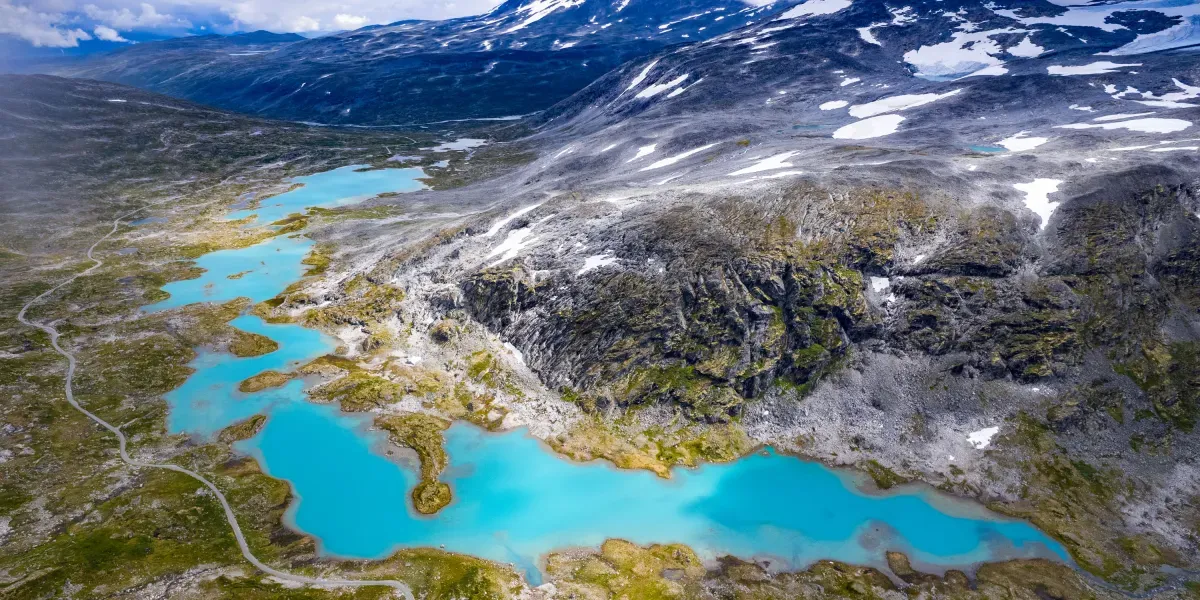
Permafrost thawing acts as a significant multiplier for global warming because it triggers a self-reinforcing feedback loop. While permafrost is technically defined as ground that remains frozen for at least two consecutive years, much of the existing permafrost in the Northern Hemisphere was established during the last ice age. This ancient frozen state has effectively locked away organic matter for millennia.
As rising global temperatures cause this layer to melt, microbes begin to decompose the newly available organic material. This biological process releases carbon dioxide and methane into the atmosphere. Because these are potent greenhouse gases, their release drives further temperature increases, which in turn causes more permafrost to thaw. This cycle creates a dangerous momentum that is difficult to interrupt once it gains speed.
The scale of this loss is already evident. According to data cited by MIT Technology Review, the footprint of Arctic permafrost has already decreased by approximately 12% since 1850, with the rate of decline accelerating over the last five decades. Despite this, a significant gap exists in current climate forecasting.
The gap in UN climate modeling
A primary concern for climate scientists is that a minority of the models currently utilized in United Nations climate reports account for the gradual loss of permafrost. Even more concerning is the complete absence of models that factor in abrupt thaw events. Unlike gradual melting, abrupt thaw involves the sudden collapse of land surfaces following extreme weather events, such as heatwaves or intense wildfires. This lack of data suggests that current global warming projections may be underestimating the actual speed and magnitude of temperature increases.
How do wildfires accelerate the loss of permafrost?
Wildfires are increasingly intensifying the rate of permafrost degradation by stripping away the protective layers of the landscape. While fire is a natural component of the boreal forest life cycle, climate change is making these blazes more frequent and severe. When a fire sweeps through a forested area, it removes the vegetation and organic insulation that typically keeps the underlying permafrost cool.
The impact of this loss is projected to be massive. By the end of this century, the emissions resulting from fire-driven permafrost thaw could reach the equivalent of 80 billion metric tons of carbon dioxide. This creates a direct link between forest management and global carbon budgets.
Current policy in remote regions of Alaska and Canada often involves a "let it burn" approach, provided the fires do not threaten human settlements. However, this strategy is being challenged by researchers who argue that active intervention might be necessary to protect the carbon stored in the soil. To address this, organizations like the Woodwell Climate Research Center are mapping "carbon vulnerability" to identify which areas are most at risk.
Identifying high-risk Yedoma permafrost
Not all permafrost is created equal. Researchers are specifically focusing on Yedoma, a type of permafrost from the late Pleistocene era that is exceptionally deep and carbon-dense. Because Yedoma holds such a high concentration of organic matter, its exposure to fire or heat represents a much higher risk for sudden, massive carbon releases. Mapping these specific zones allows for more targeted conservation and firefighting efforts.
What makes the permafrost carbon cycle so complex?
The permafrost carbon cycle is defined by a tension between carbon release and carbon sequestration. While thawing releases greenhouse gases, the changing landscape may also create new ways to store carbon. For instance, as the climate warms, plant life is migrating northward into regions that were previously too cold to support significant vegetation. These expanding plant populations act as carbon sinks, absorbing CO2 from the atmosphere as they grow.
This creates a complicated equation for scientists trying to predict the net impact on the atmosphere. The balance depends on several volatile variables, including the severity of local fires, the specific type of permafrost involved, and the local environmental conditions. It is a delicate struggle between the emissions from decaying organic matter and the absorption from new biological growth.
Variables influencing carbon equilibrium
To understand whether a specific region will be a net source or a net sink of carbon, researchers must analyze a multitude of factors:
- Fire Intensity: How deeply does the heat penetrate the soil?
- Permafrost Type: Is the area composed of high-density Yedoma or lower-density soil?
- Vegetation Recovery: How quickly and effectively do new plant species establish themselves after a disturbance?
- Local Microclimates: How do regional weather patterns influence the rate of thaw versus the rate of growth?
What strategies are being proposed to mitigate these risks?
Mitigation strategies range from traditional Indigenous practices to high-tech early detection systems. Because the permafrost-carbon link is so sensitive to fire, managing the frequency and intensity of blazes is seen as a potential way to stabilize the soil. One approach involves the use of prescribed burns to reduce the accumulation of fuel in boreal forests, a method used by Indigenous groups for thousands of years to prevent massive, uncontrollable wildfires.
Other proposed solutions focus on technological and logistical improvements in forest management. These include investing in early detection systems to spot fires before they reach a critical scale and increasing the resources available to fight fires in remote, carbon-rich areas. The goal is to transition from a reactive policy to a proactive one that prioritizes the preservation of the underground carbon reservoir.
Frequently asked questions
What is the difference between permafrost and Yedoma?
Permafrost is a general term for ground that remains frozen for at least two consecutive years. Yedoma is a specific, highly carbon-dense type of permafrost that formed during the late Pleistocene era. Because it is deeper and contains more organic material, its thawing poses a greater climate risk.
How much carbon is stored in the permafrost?
Permafrost contains approximately 1.5 trillion tons of carbon. This amount is roughly twice the volume of carbon currently present in the Earth's atmosphere, making its preservation vital for stabilizing global temperatures and preventing runaway warming.
Why do wildfires cause permafrost to melt faster?
Wildfires destroy the insulating layer of vegetation and organic matter on the ground. Without this protective shield, solar radiation and heat can penetrate the soil more easily, leading to much faster and more profound thawing of the frozen ground beneath.
Can plants help offset permafrost emissions?
Yes, as the Arctic warms, plants are moving north and growing in new areas. These plants absorb carbon dioxide through photosynthesis, which can partially counteract the greenhouse gases released by thawing soil. However, it is unclear if this sequestration can match the scale of emissions.
Are current climate models accurate regarding permafrost?
Current models may be underestimating the risks. Most existing UN climate models do not fully account for gradual permafrost loss, and almost none include the impact of abrupt thaw events caused by heatwaves or wildfires, which can lead to sudden carbon releases.
Key takeaways
- Permafrost contains 1.5 trillion tons of carbon, twice the amount currently in the atmosphere.
- The Arctic permafrost footprint has already shrunk by 12% since the year 1850.
- Wildfires could release 80 billion metric tons of CO2 from permafrost by 2100.
- Yedoma permafrost is a high-risk, carbon-dense variety from the late Pleistocene era.
- Current UN climate models largely overlook abrupt permafrost thaw and collapse.
Conclusion
The thawing of permafrost represents one of the most significant yet understudied threats in the fight against climate change. The transition of ancient, frozen organic matter into active greenhouse gases creates a feedback loop that could fundamentally alter the pace of global warming. While the northward migration of vegetation offers a potential, albeit limited, carbon sink, the risks posed by intensifying wildfires and the potential for abrupt soil collapse remain dominant concerns. Addressing this challenge requires more accurate climate modeling and a shift toward proactive land and fire management to protect the vast carbon reservoirs held within the Arctic soil.