
Siobhan O'Reilly
The Quality Protocol · Staff Reporter
Exploring the nuances of modern identity, fashion, and the shifting landscape of digital social norms through long-form commentary.
World
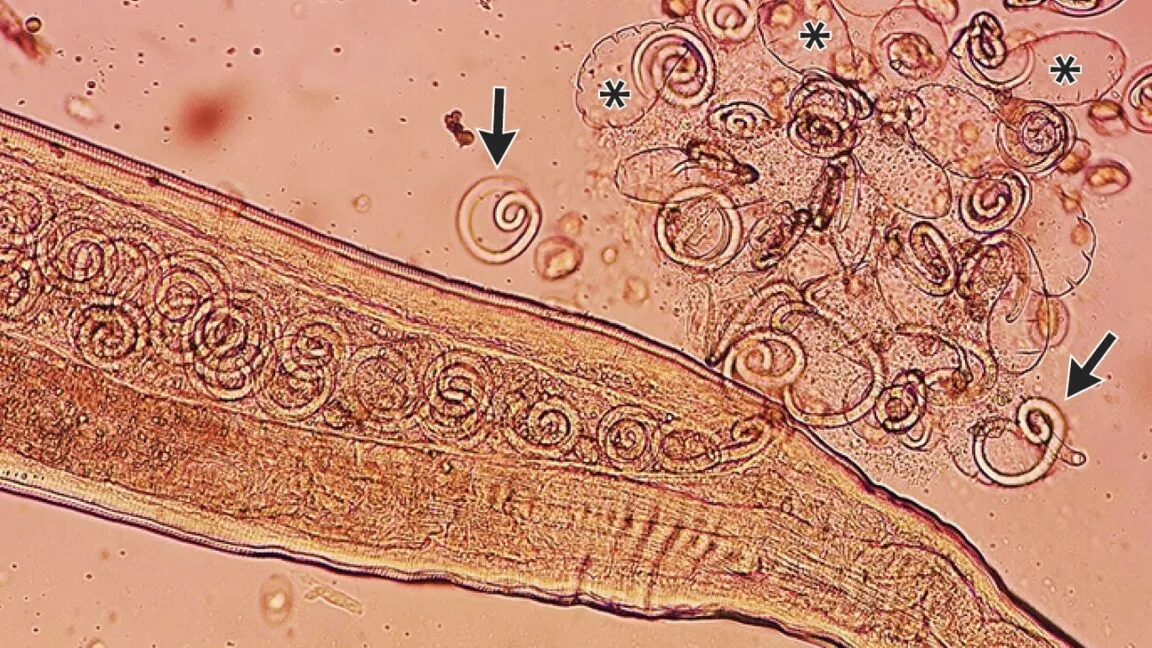
Thelazia callipaeda infection: Understanding the eye worm case study
Thelazia callipaeda infection is a parasitic condition caused by nematodes that inhabit the ocular tissues of humans and animals. A recent case report published in the New England Journal of Medicine details the extraction of 11 living worms from a 71-year-old man in South Korea. These worms, ranging from 11 to 22 mm in length, were identified as Thelazia callipaeda. The patient experienced two months of redness, blurred vision, and foreign body sensations before medical intervention. This article explores the biological life cycle of these parasites, the clinical presentation of the infection, and the surgical procedures used for removal.
World
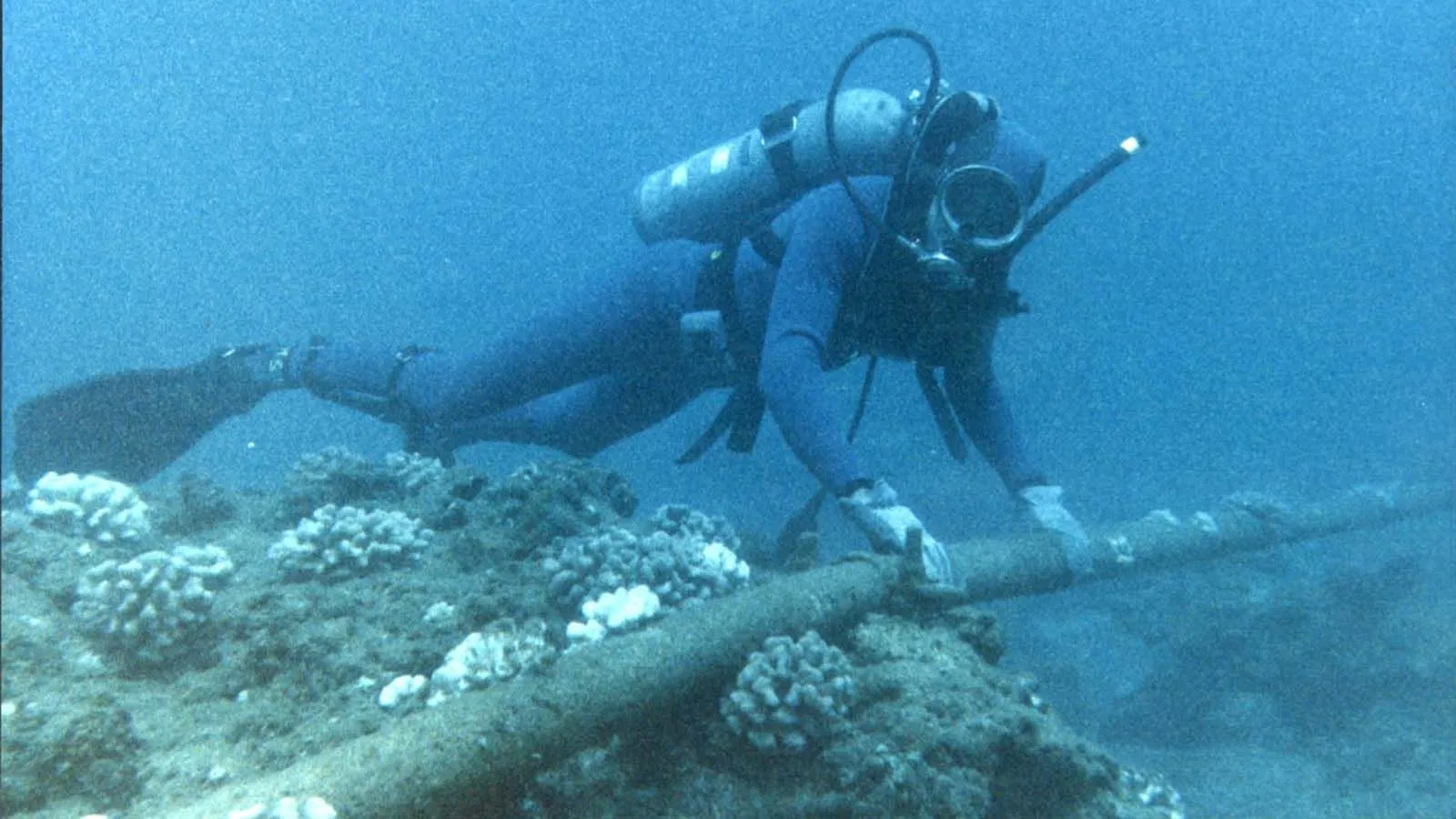
Russian undersea cable espionage: Mapping critical links
Russian undersea cable espionage is reportedly being conducted through civilian vessels acting as commercial proxies to map vital transatlantic infrastructure. An investigation by The Telegraph has identified over 500 incidents where fishing trawlers and other commercial craft have engaged in suspicious activity near undersea cables. These cables are essential for global connectivity, with the UK alone relying on them for approximately £65 billion in annual economic activity. The surveillance aims to establish precise routes for potential future sabotage. This article examines the mechanics of these proxy operations, the technical methods of seabed mapping, and the legislative responses from the British government.
World
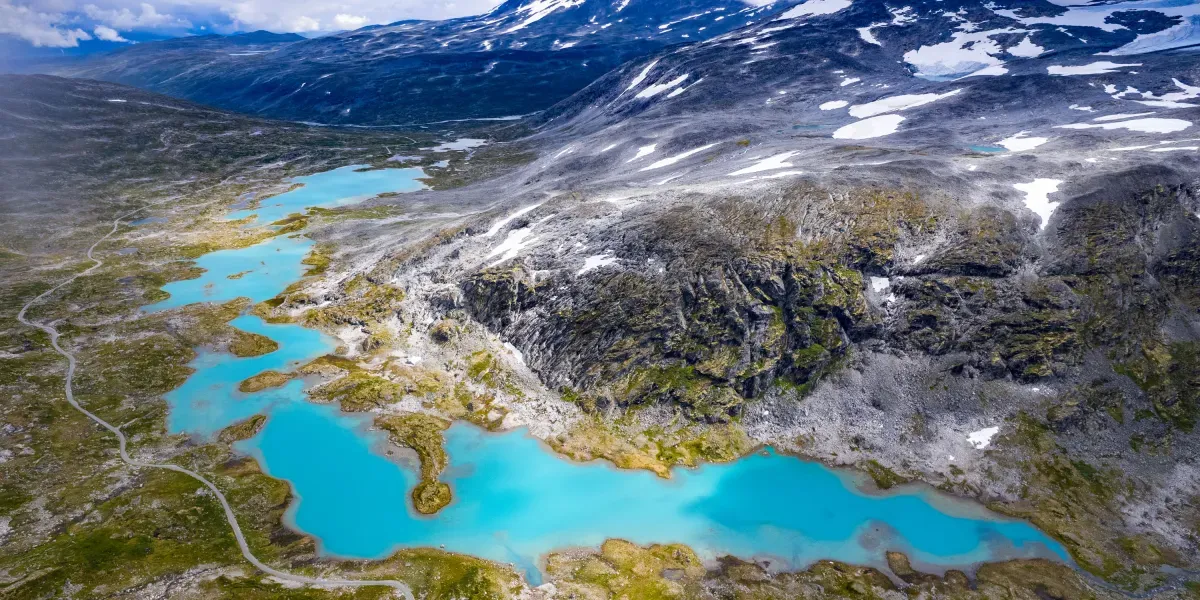
Permafrost thawing: how frozen soil impacts global climate
Permafrost thawing is a critical driver of the global climate feedback loop, threatening to release massive amounts of stored greenhouse gases. This frozen layer of soil covers approximately 15% of the land in the Northern Hemisphere and contains an estimated 1.5 trillion tons of carbon—roughly twice the amount currently in the atmosphere. As temperatures rise, the degradation of this soil releases carbon dioxide and methane, further accelerating warming. This article examines the risks of abrupt thaw, the accelerating role of wildfires in the Arctic, and the complex variables within the permafrost carbon cycle.
World
Starlink service in Ukraine returns to normal after restrictions
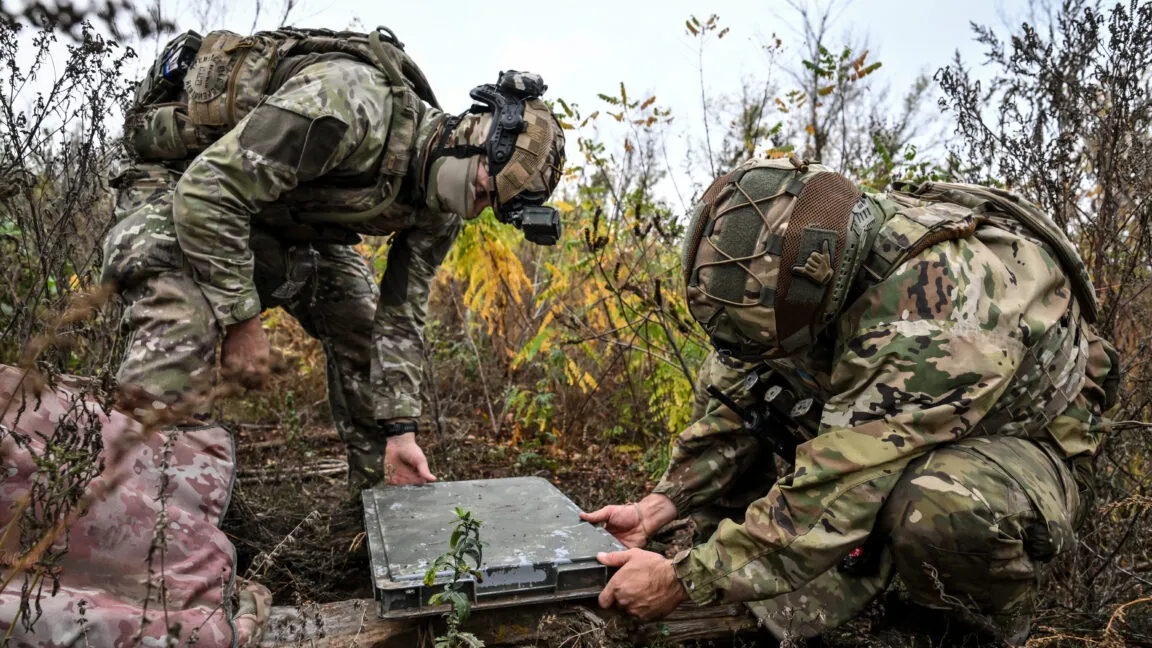
Starlink service in Ukraine is reportedly returning to standard operational levels following a period of significant technical disruptions. After a ten-day window of connectivity issues that impacted military drone operations, Starshield—the specialized military version of the satellite network—appears to be functioning as intended once again. This development follows intense political scrutiny and reported high-level discussions regarding the use of SpaceX technology in the conflict zone. This analysis examines the recent service disruptions, the impact on Ukrainian military capabilities, and the political context surrounding the restoration of access.
World
Starlink Ukraine reliance: Adapting to service shifts
Starlink Ukraine reliance has become a critical vulnerability as political shifts and service throttling impact battlefield operations. Following disruptions between October 13 and October 24, 2026, where military-grade service was throttled for high-speed terminals, Ukraine has accelerated efforts to diversify its communication technologies. While SpaceX's Starshield provides high-speed connectivity for drones and ground robots, the instability caused by recent restrictions has forced Ukrainian defense companies to develop systems less dependent on single-provider satellite networks. This article examines the impact of Starlink service changes, the role of Starshield, and Ukraine's strategic shift toward technological autonomy.
World
Laurentide Ice Sheet expansion: evidence of a canceled ice age
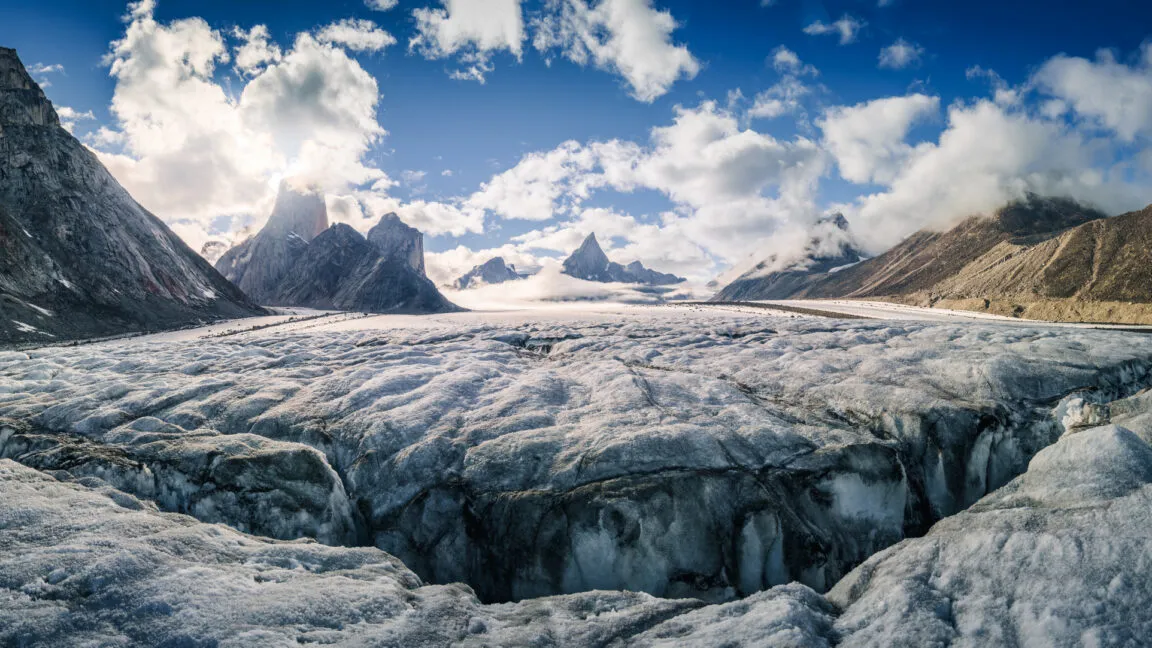
Laurentide Ice Sheet expansion may have begun 2,000 years ago, according to new geological evidence from the Canadian Arctic. Researchers studying the Barnes Ice Cap found that the remnant of the massive Pleistocene ice sheet started re-expanding roughly two millennia ago, marking the early stages of a new glaciation. This natural cooling trend was abruptly reversed around 1960 due to human-induced climate warming. This article explores the methods used to date this glacial turnaround, the tug-of-war between solar energy and CO2, and the current state of the Barnes Ice Cap.
