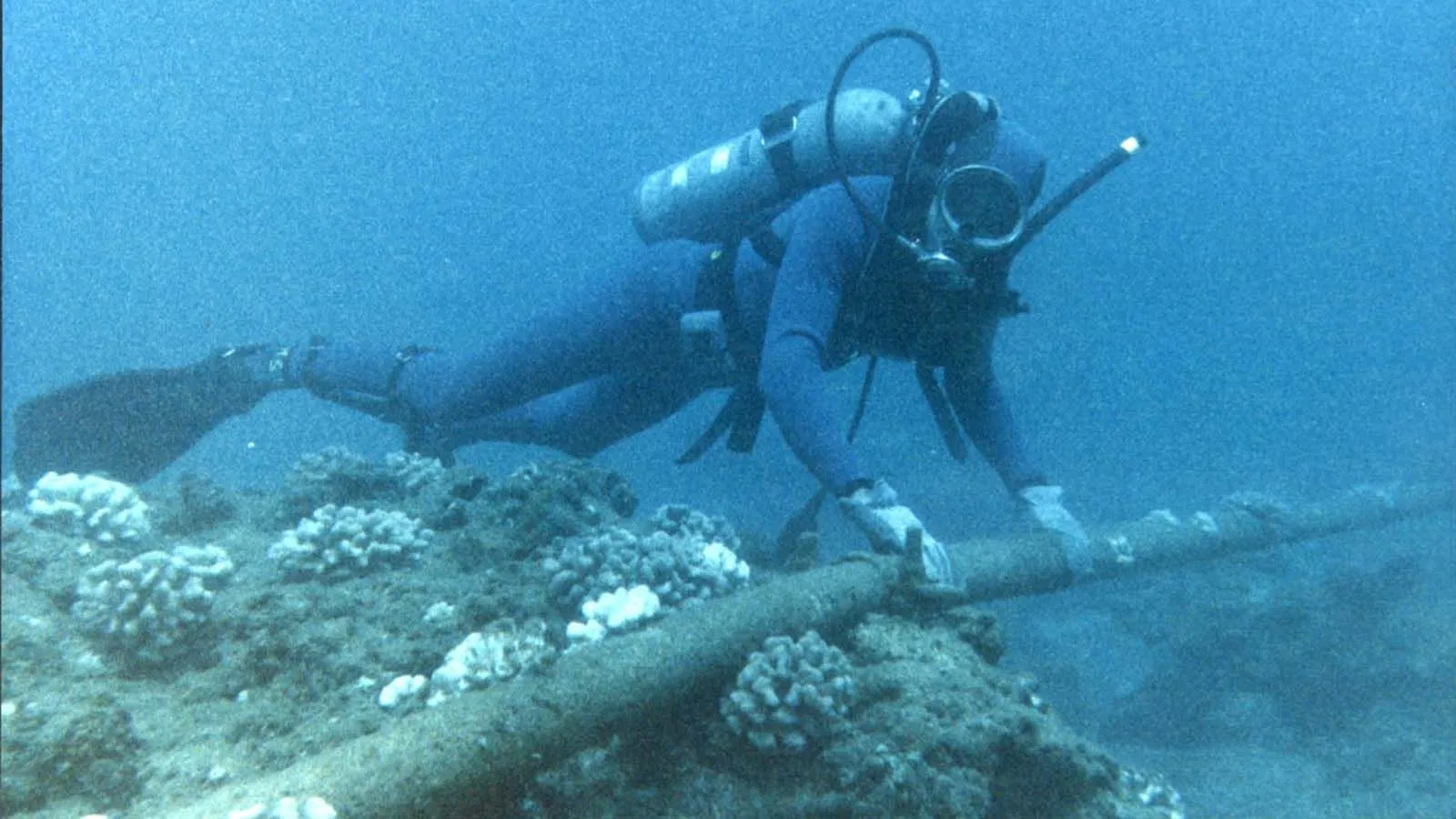
How are Russian commercial proxies being used for maritime espionage?
Russian authorities are increasingly employing civilian vessels to conduct surveillance on critical undersea infrastructure, a tactic identified as the use of "commercial proxies." According to an investigation by The Telegraph, there have been more than 500 recorded incidents involving such vessels operating in the waters surrounding the United Kingdom and the Atlantic. These activities are believed to be a direct application of a 2022 maritime doctrine approved by Russian President Vladimir Putin, which focuses on the mobilization of civilian assets, including fishing fleets, for state objectives.
The use of commercial proxies provides a layer of deniability for the Russian state. Because these vessels are registered as civilian craft, they operate within a complex legal environment where maritime law severely limits the ability of international authorities to engage with them in international waters. This ambiguity makes it difficult for naval forces to intervene without risking a diplomatic or legal incident.
The strategic logic of the 2022 maritime doctrine
The shift toward using civilian vessels is not an accidental trend but a documented strategic pivot. By integrating fishing and merchant fleets into intelligence-gathering operations, Russia can conduct persistent, low-profile monitoring of NATO-aligned maritime corridors. This allows for the collection of data that would be far more conspicuous if carried out by dedicated military intelligence ships or submarines.
What technical methods are being used to map undersea cables?
The surveillance activities involve specific patterns of movement and technical equipment designed to pinpoint the exact locations of subsea data links. Analysis of vessel movements has revealed several repeated behaviors that suggest a systematic effort to map the seabed and the cables themselves. For instance, one identified vessel spent 113 hours surveying nine different cables, while another was observed repeatedly crossing over cable paths.
Naval experts and officials suggest several methods may be employed during these loitering incidents:
- Remotely Operated Vehicles (ROVs): Vessels may carry tethered ROVs capable of descending to the seabed to visually or electronically map the precise coordinates of cables.
- Sonar Mapping: By traveling at slow, controlled speeds, civilian vessels can utilize sonar technology to create detailed maps of the ocean floor.
- Uncrewed Surface Vehicles (USVs): Large holds on fishing trawlers can be repurposed to store and deploy autonomous underwater or surface drones.
A notable example of this behavior involved a civilian craft that spent 42 minutes maneuvering around the Hibernia Express trans-Atlantic cable while maintaining a speed of under two knots, a pattern consistent with detailed localized surveying.
What are the potential risks to global connectivity and the economy?
The primary risk of this espionage is that it provides a roadmap for future kinetic or cyber-physical sabotage. If hostile actors possess precise location data for undersea cables, they can target them with high accuracy to disrupt the flow of international data.
The consequences of successful cable disruption would be catastrophic across multiple sectors:
- Financial Services: The UK relies on these cables for an estimated £65 billion in economic activity every year. Disruption could freeze banking transactions and global markets.
- Telecommunications: Trans-continental mobile phone data and internet connectivity would face immediate and severe degradation.
- Logistics and Transport: Modern transport systems rely on the seamless flow of data; a break in the undersea links could paralyze global supply chains and navigation systems.
The investigation highlights that while the current activity is focused on mapping, the end goal is the ability to execute targeted strikes that could destabilize international communications and economic stability.
How is the British government responding to these threats?
In response to the findings, the British government has initiated a security crackdown aimed at both deterring proxy actors and strengthening legal protections for subsea infrastructure. Britain's telecoms minister, Ian Murray, stated that the government is aware that Russia is utilizing commercial proxies for these operations and suggested that the exposure of these tactics might serve as a deterrent.
Legislative updates are a central part of this response. The UK is moving to replace the outdated Submarine Telegraph Act of 1885 with modern regulations that reflect the critical importance of current digital infrastructure. The proposed changes include:
- Increased Sentencing: Individuals proven to have intentionally damaged undersea cables could face up to 14 years in prison.
- Financial Penalties: The government plans to introduce unlimited fines for those involved in the sabotage of these links.
The Royal Navy has also issued reassurances regarding maritime security. A naval source confirmed to The Telegraph that the military is actively monitoring Russian movements at sea to protect national security and ensure the integrity of the nation's undersea assets.
Frequently asked questions
Why are fishing boats being used for spying?
Fishing boats are used as "commercial proxies" because their presence in maritime zones is considered normal and non-threatening. This provides Russia with plausible deniability and allows them to conduct surveillance under the cover of legitimate civilian economic activity, making it harder for navies to intervene.
What is the Hibernia Express cable?
The Hibernia Express is a major trans-Atlantic subsea cable that provides high-speed data connectivity between North America and Europe. Because it carries massive amounts of financial and telecommunications data, it is considered a piece of critical national infrastructure that is highly vulnerable to surveillance and sabotage.
How much does the UK economy depend on undersea cables?
The UK economy relies heavily on these undersea links, with an estimated £65 billion in economic activity supported annually. This includes essential services such as banking, international trade, and telecommunications, all of which depend on the stable, high-speed transmission of data across the Atlantic.
What is the 2022 Russian maritime doctrine?
The 2022 maritime doctrine is a strategic framework approved by President Vladimir Putin. It involves the mobilization of civilian assets, such as fishing and merchant vessels, to support state interests, including intelligence gathering and maritime surveillance, thereby blurring the lines between civilian and military operations.
What are the new penalties for cable sabotage in the UK?
Under proposed new laws intended to replace the 1885 Submarine Telegraph Act, anyone found guilty of intentional damage to undersea cables could face up to 14 years in prison and unlimited financial fines, reflecting the modern importance of these data links.
Key takeaways
- Russian fishing vessels are acting as commercial proxies to map undersea cables.
- Over 500 incidents of suspicious vessel movement have been recorded near UK waters.
- The UK relies on undersea cables for approximately £65 billion in annual economic activity.
- New UK laws propose up to 14 years in prison for intentional cable sabotage.
Conclusion
The shift toward using civilian vessels for undersea cable surveillance represents a significant evolution in maritime hybrid warfare. By leveraging the ambiguity of commercial proxies, Russia can map the vital arteries of the global digital economy with minimal risk of immediate military confrontation. The potential for targeted sabotage poses a direct threat to international financial stability and communication networks. While the British government's move toward stricter legislation and increased naval monitoring is a necessary step, the incident underscores the growing vulnerability of the subsea infrastructure that underpins modern civilization.